
September 2026 | Episode #29
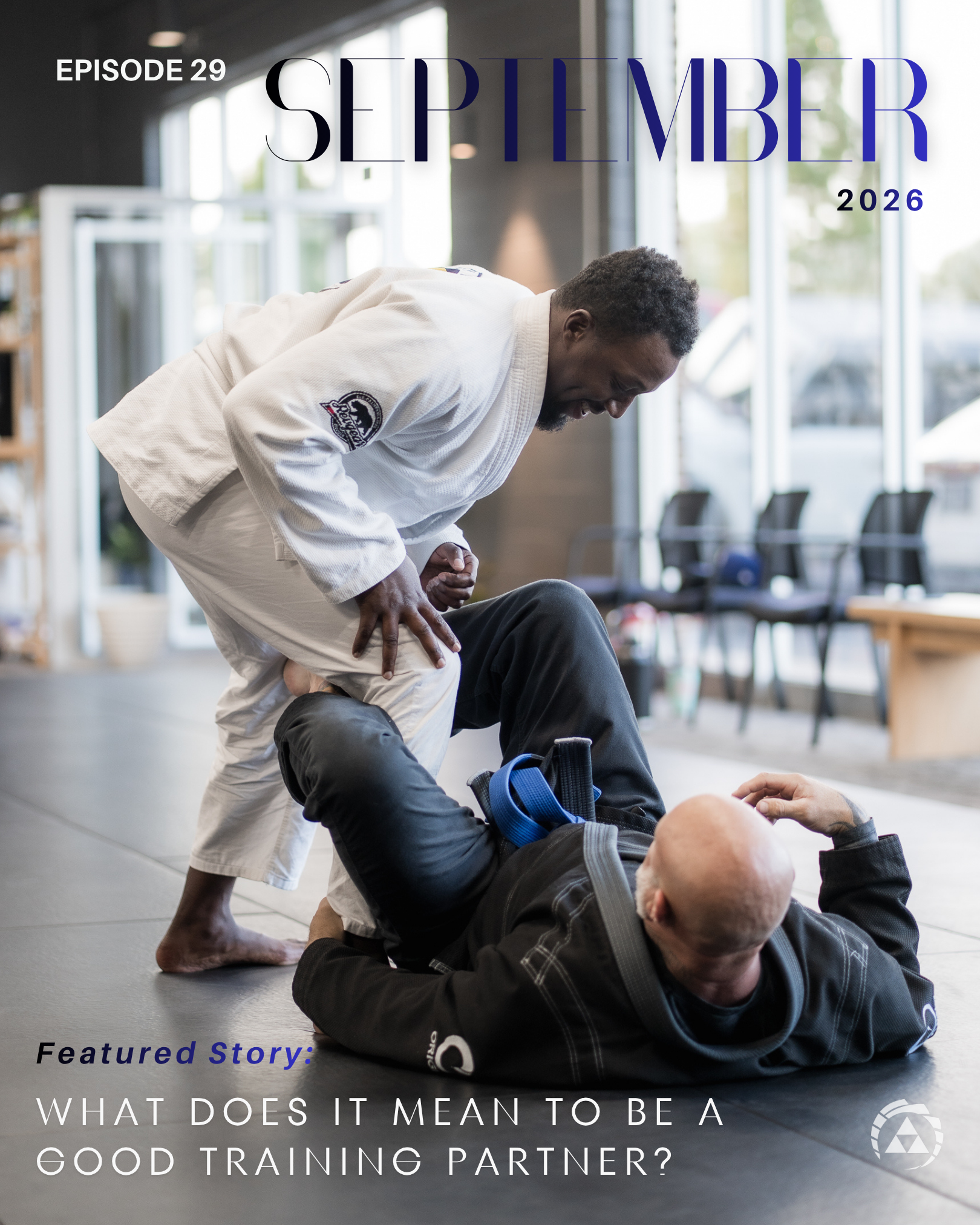
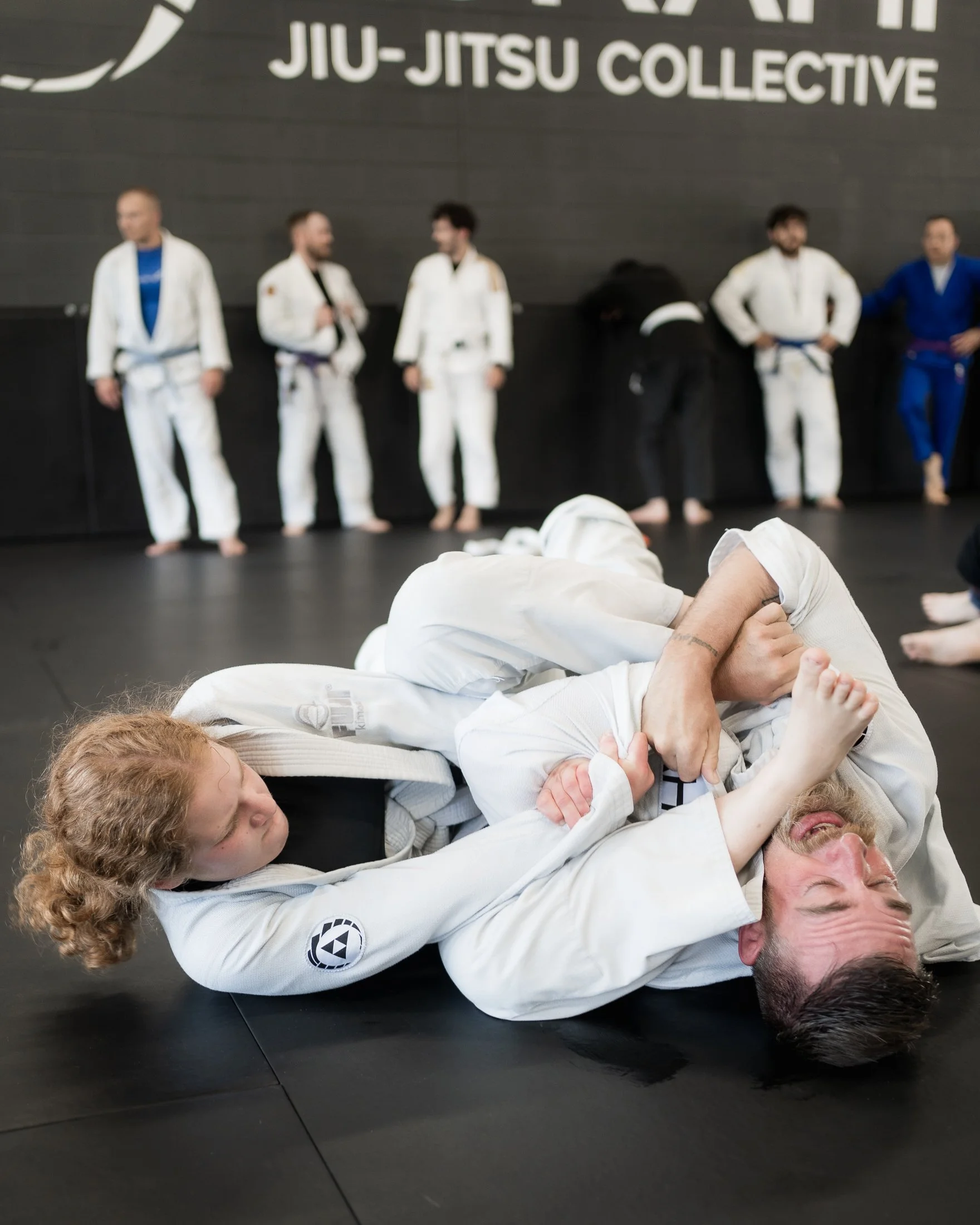
Pictured: James Fields and David Cole explore De La Riva guard.
The virtues of teamwork are easy to understand in traditional team sports.
Take football, for example - every player has a role. Some protect the quarterback. Others run routes, block, tackle or carry the ball. Each individual has a unique responsibility, but whether the game is won or loss is directly relies on the team playing together.
Jiu-jitsu is different.
When you compete, you're alone. No one can score, escape, or submit your opponent for you. Ultimately, it's your Jiu-jitsu that gets tested.
And yet, no one gets good at Jiu-jitsu alone.
Behind every athlete are countless rounds with people who helped sharpen their technique, expose their weaknesses and prepare them for problems they couldn't create on their own.
So what role does a training partner play in an individual sport like Jiu-jitsu?
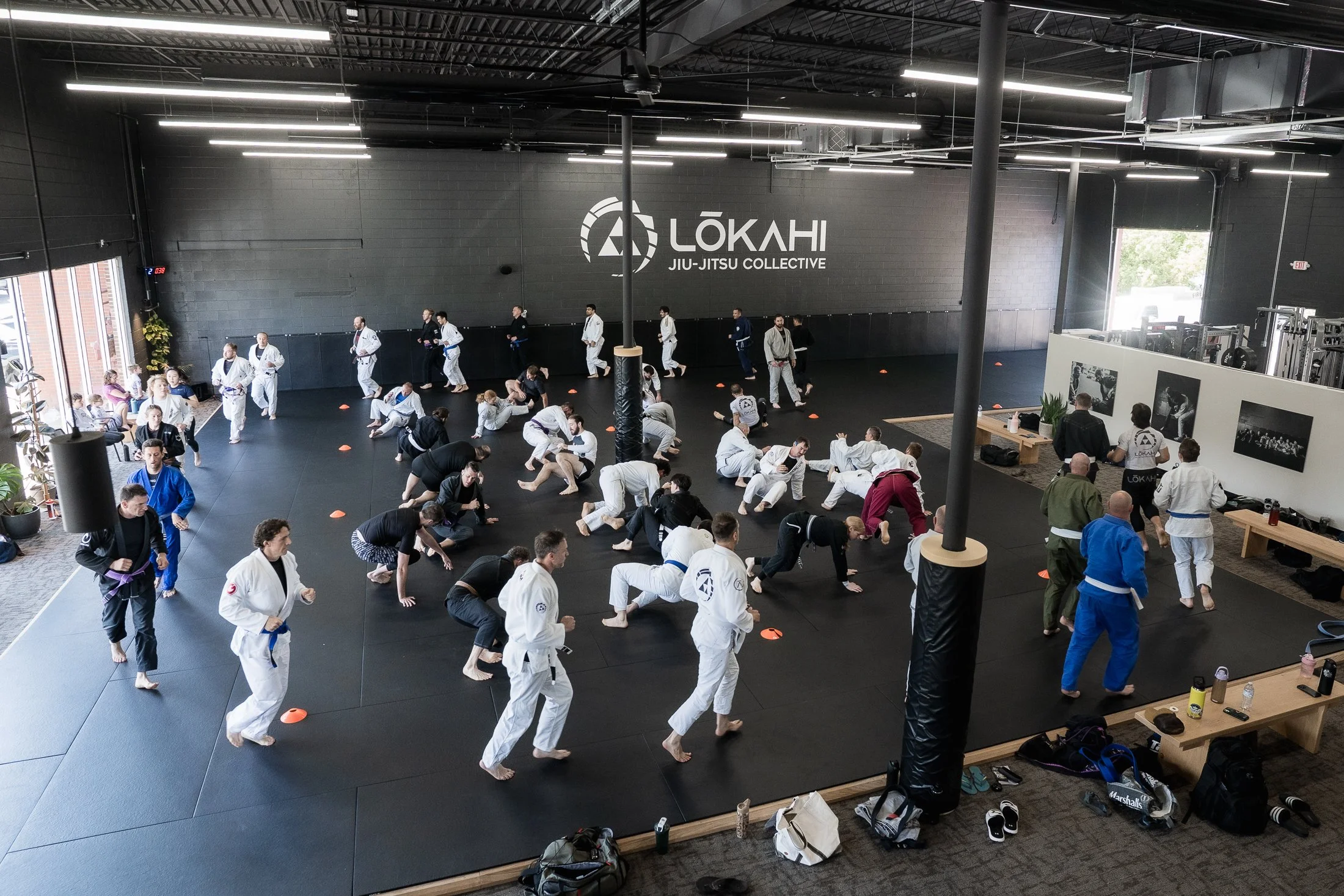
Back in 2021, my friend and coach, John Hansen, was preparing for the Abu Dhabi Combat Club Submission Fighting World Championships (often referred to simply as ADCC).
For those unfamiliar, qualifying for grappling’s most prestigious tournament is no easy task. To even receive an invite, athletes must generally win one or more ADCC Trial events, which attract the best talent from around the globe. Knowing the task at hand, what did John rely on most to get him ready?
Good training partners.
Now if you haven’t met him before, John is not a small man. Standing around 6’5, John grapples in the +99kg, Ultra-heavyweight division. And as you might imagine, many of John's training partners were his size or larger. These large humans gave him the size, strength and reactions he'd likely face in battling against others in his division.
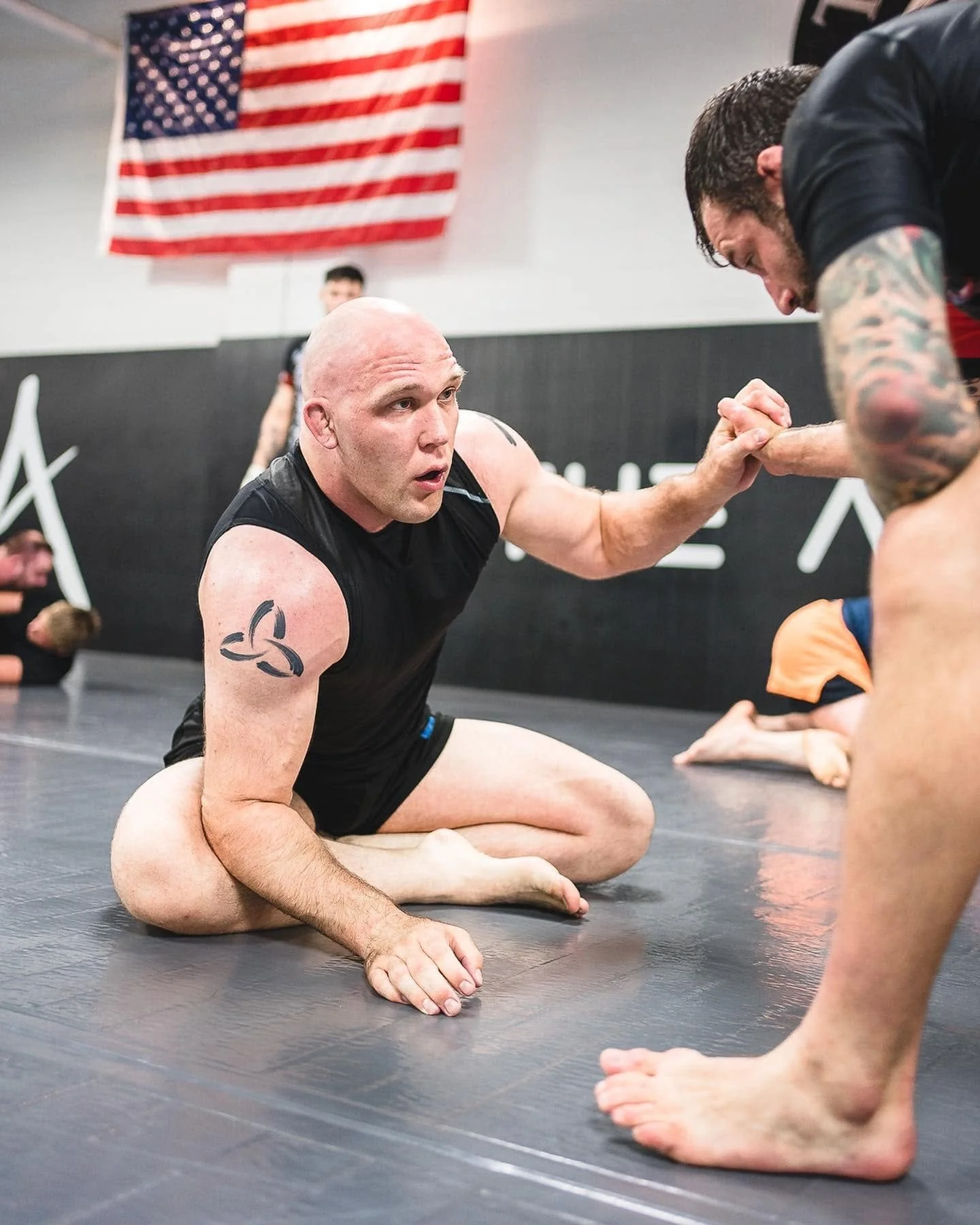
Pictured: Black belts John Hansen and Charles Buckett face off in a passing round.
But to the surprise of many, John also spent a lot of time training with people much smaller than him. For those coming from wrestling backgrounds - where athletes largely stay within their weight class - or to the uninformed onlooker, the sight was probably either comical or confused.
So why did John specifically request these rolls?
John’s larger training partners gave him the feel of moving larger bodies, similar to what he would face in competition. But smaller partners gave him something different, too.
Being over a foot taller than me meant that John couldn’t turn as quickly, so getting behind on an even the smallest of angles could put him behind in the scramble. And while John could easily overpower me to get the angle back, he didn’t. After our rounds, we would pause to reflect, going back to that same position, slowing down our movements, and looking to improve the timing of our reactions.
And that meant I got something out of it, too.
Talking through the exchanges also allowed me to see what was happening through a different lens. In one instance, John shared with me that my reliance on leg locks from bottom was the reason I was getting passed. Instead of playing upright in seated guard, I would often fall to my side, trying to weave my inside leg to his. Reverse de la Riva can be an effective attack, but against someone with heavy top pressure and a sturdy base, you essentially pin yourself. John helped me see what I couldn’t.
Was everything transferrable between us? Of course not! Due to our body sizes, dexterities, and gameplans, we each had things we favored or had to approach differently. But together, we improved much faster than if we had tried separately.
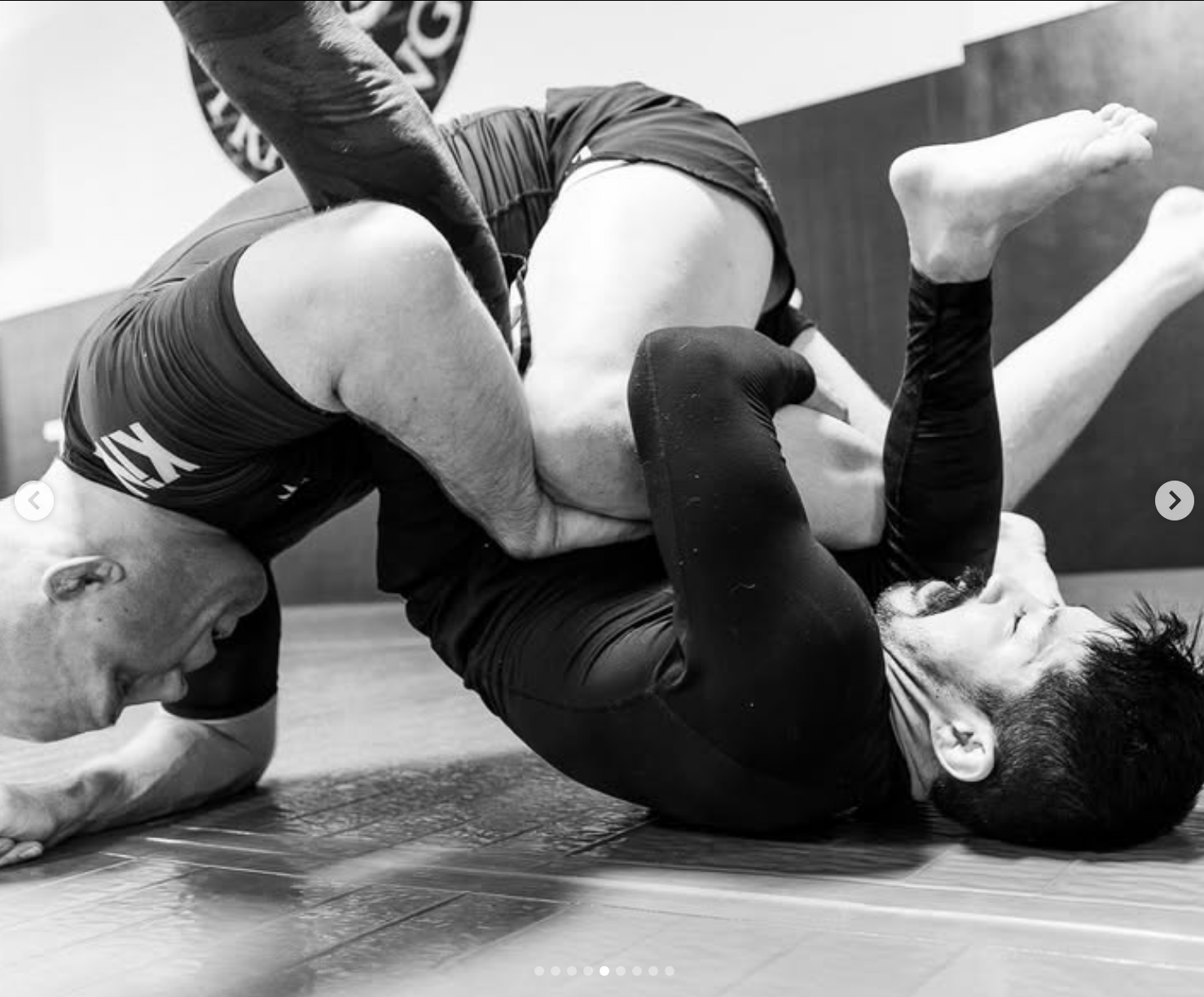
John went on to have a breakout run. Starting first at the East Coast Trials, John grinded his way through tough opposition, submitting Davi Ramos in the finals and becoming the East Coast Trials Champion. His impressive performance would turn the heads of many in the grappling world and John was extended an invitation to the 2022 ADCC World Championship.
A year later in Vegas, John used his patented wrestle-up game to reverse and ultimately submit ADCC Champion Vinny Magalhaes, one of the most athletic, heavyweights in the world.
He would then go on to use this exact gameplan in other competitions abroad winning gold at the 2023 UWW Championships in Spain.
When asked for his competitive advantage, John would often turn the spotlight away from himself, humbly crediting his training partners - both big and small - for giving him the different looks he needed to prepare.
John proved that although Jiu-jitsu is an individual effort, it is still a team sport.
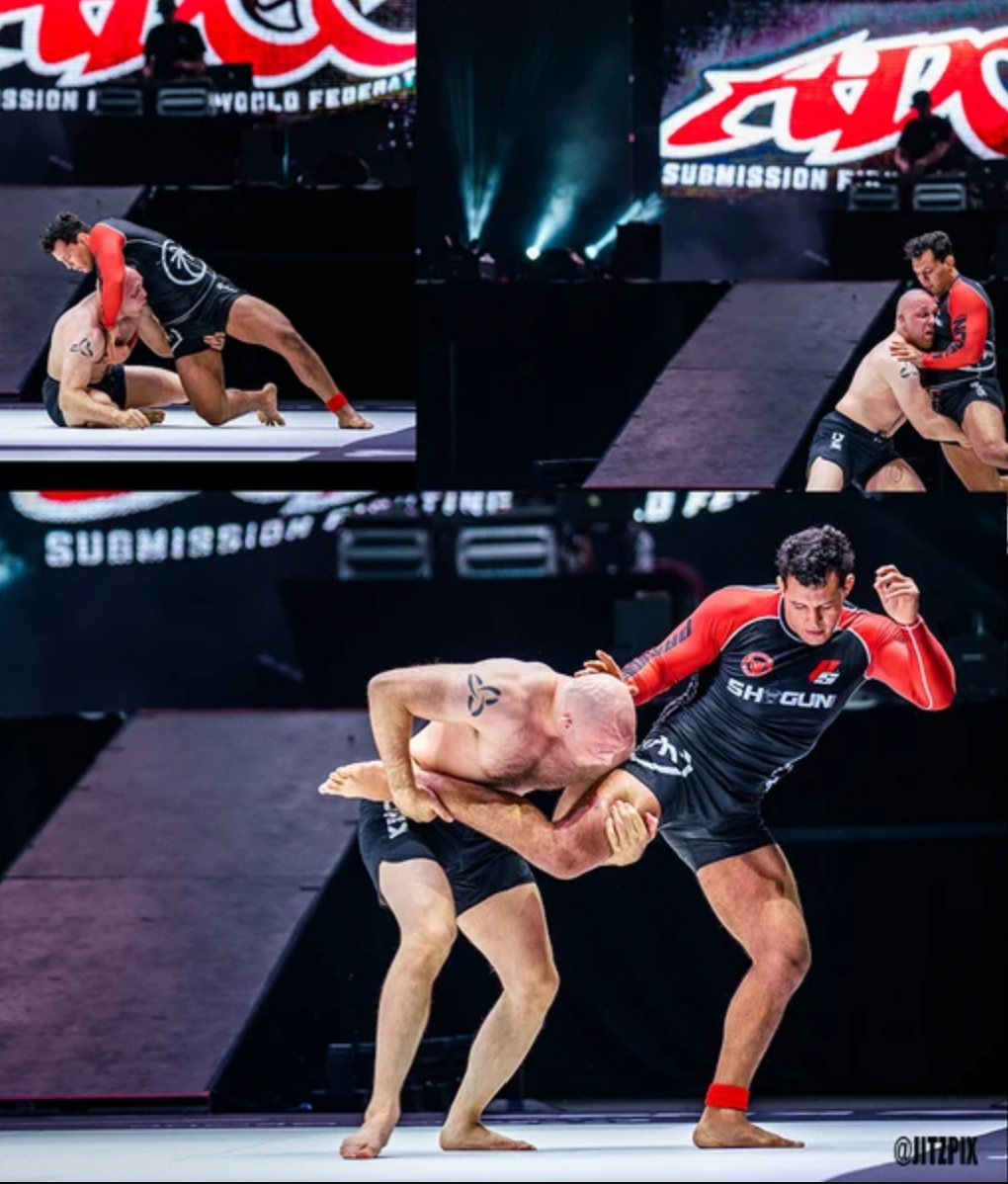
Pictured: John Hansen wrestles up on ADCC and IBJJF Champion Vinny Magalhaes.
So What Makes a Good Training Partner?
Believe it or not, you don’t have to be a world champion to be one. Good training partners can come in all sizes, genders, and experience levels.
We asked a few of our Youth Coaches to share their insights:
“A good training partner understands that both people are there to get better. That means being controlled, respectful, and willing to challenge your partner without trying to prove something at their expense. If your partner leaves training better because they worked with you, you did your job.”
“You can’t have nearly as much fun with a broken toy”
“We need training partners as much as they need us. Trust and Collaboration are the two words that I feel describe the relationship the most.”
“A good training partner is a good communicator. Sometimes that means listening when your partner asks you to play a lighter game. It also could include checking in with your partner every so often to make sure that you both are going at a pace or speed that works for everyone.”
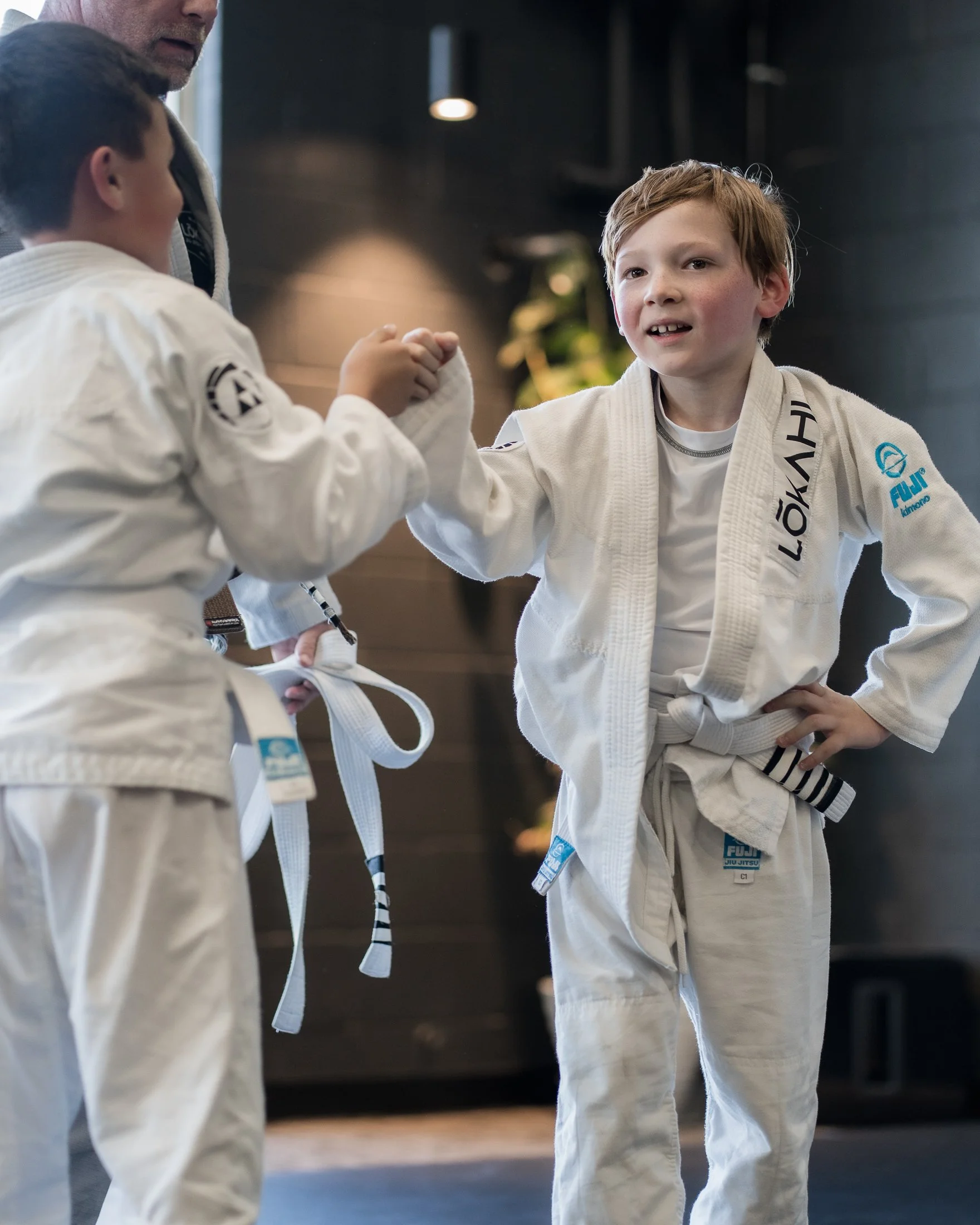
Everyone Has Something to Offer
One of the things that makes Jiu-jitsu special is the ability to train with everyone in the room.
A bigger partner gives you pressure. A smaller partner challenges your timing. A wrestler presents one problem, a guard player another. Even a brand-new white belt can give you a reaction you've never seen before.
Everyone brings something different to the mat.
So instead of asking whether someone is "good enough" to give you a tough roll, perhaps the better question is:
"What can we give each other?"

“As a black belt that travels for work I get to practice all over the country. Lokahi is a very unique gym, spectacular facility, huge mat space, amenities and weight room. Super nice owners, great instruction, insanely clean — doesn’t smell like a gym at all. Gem”
September 12-13 - ADCC Weekend!
Speaking of ADCC, the wait is over! Streaming from Krakow, Poland, watch the most exciting No Gi athletes compete on the world stage. The action begins at 4am CT and can be streamed on FloGrappling.
Collective Member Spotlights
“A Hui Hou”
We thank these Collective members for their contributions to the gym and best wishes on their journey abroad.
A Hui Hou and until next time!
CHRIS HE
A true student of the game, Chris first started training with us back at Axios and before that Creighton University’s Jiu-jitsu club. Few people have shown such durability, combined with a positive outlook. Chris earned his Blue Belch last December and even worked with Coach Isaac to lead his first class last week. We wish Chris well as he moves to Washington DC in pursuit of new career opportunities.
What’s Coming Next?
September 9
Youth and Adult Striping
October 7th
Youth Belt Promotions
October 10th
Youth In-House Tournament
November 7th
Next Team Tournament (Details below)
December 5th (Morning)
Adult Crucible and Promotions
December 5th (Evening)
Holiday Party
Upcoming Local Tournaments
November 7th - Nebraska Jiu-jitsu Championship Fall Open
Lincoln, NE
SEPTEMBER Birthdays
Wishing all of our Collective Members a very happy birthday!
Jacob Bird — 9/1
Connor Gillen — 9/3
Silas Pflueger — 9/5
Elijah Pflueger — 9/5
Martin Solano — 9/8
Jacob Godwin — 9/9
Anjel Brannen — 9/13
Finn Gourley — 9/13
Zydrunas Berven— 9/15
Amir Alisherzoda — 9/18
Kora Olley — 9/21
Adoni Faxas — 9/23
Tyge Pappas — 9/25
Angel Baeza Villa — 9/26
Lillian Locklear — 9/30
*Don’t see your birthday? Update your profile on the app or speak with someone at the front desk!
“Welcoming people and good training!”
“If you’re visiting Omaha and looking for a place to train, I highly recommend Lokahi Jiu-Jitsu!
I was in town for work and wanted to keep training while traveling. Everyone at Lokahi was incredibly welcoming from the start. I didn’t bring a gi with me, and they were kind enough to lend me loaner gis so I could still jump into class.
I went to their 6 AM classes, which worked perfectly with my schedule. The classes are quick and efficient, but the techniques and drills are engaging and you get plenty out of the time you’re there.
I also made it to their Sunday open mat and had a great time. There was a really good turnout with plenty of people to roll with and a friendly atmosphere all around.
Overall, I had a great experience training at Lokahi. Welcoming people, good training, accommodating schedule, and they really made it easy for someone coming in from out of town. Definitely a place I’ll come back to whenever I’m in Omaha!”
Good vibes. Quality Jiu-jitsu.
Done Scrolling? Start Rolling!