
August 2026 | Episode #28
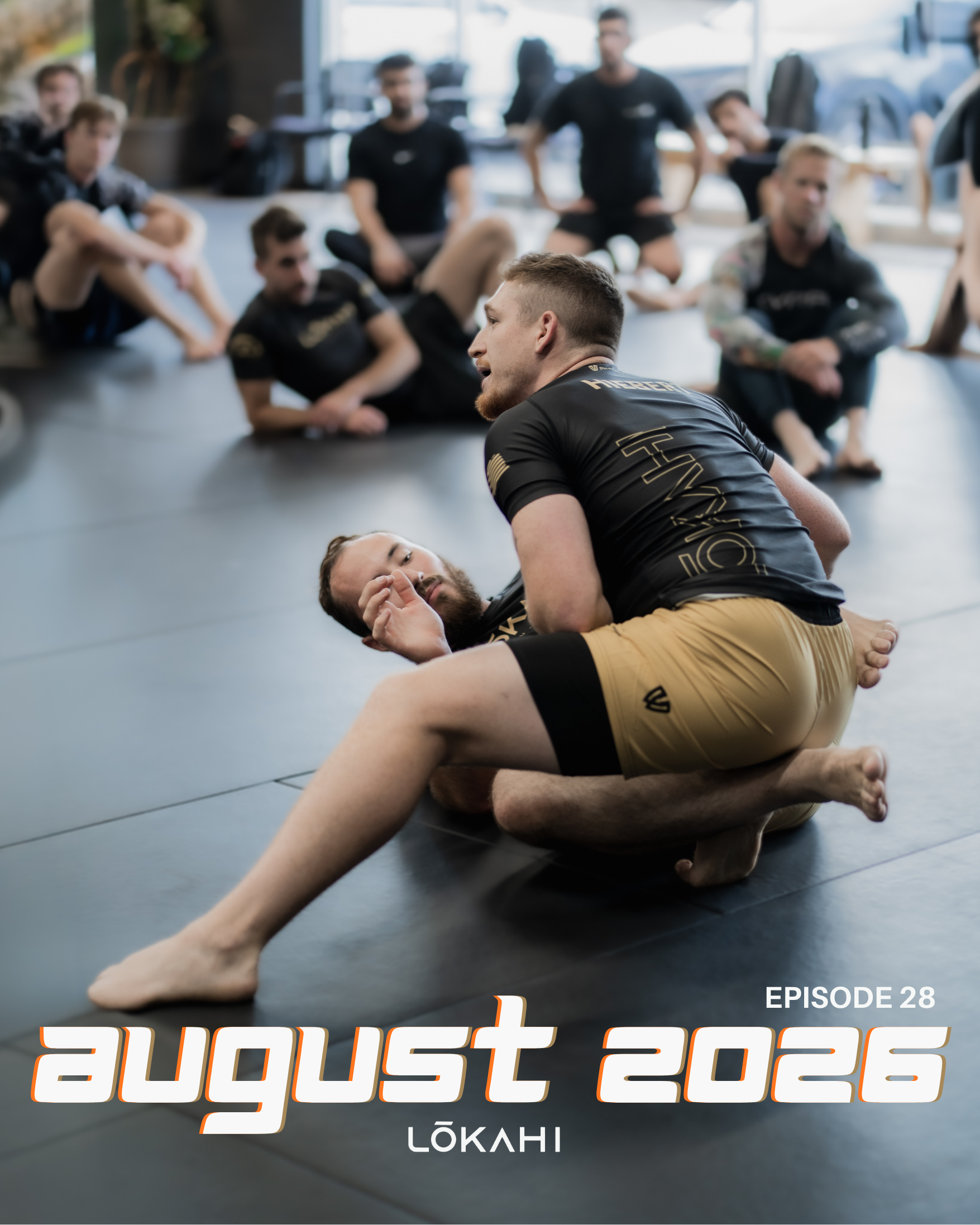
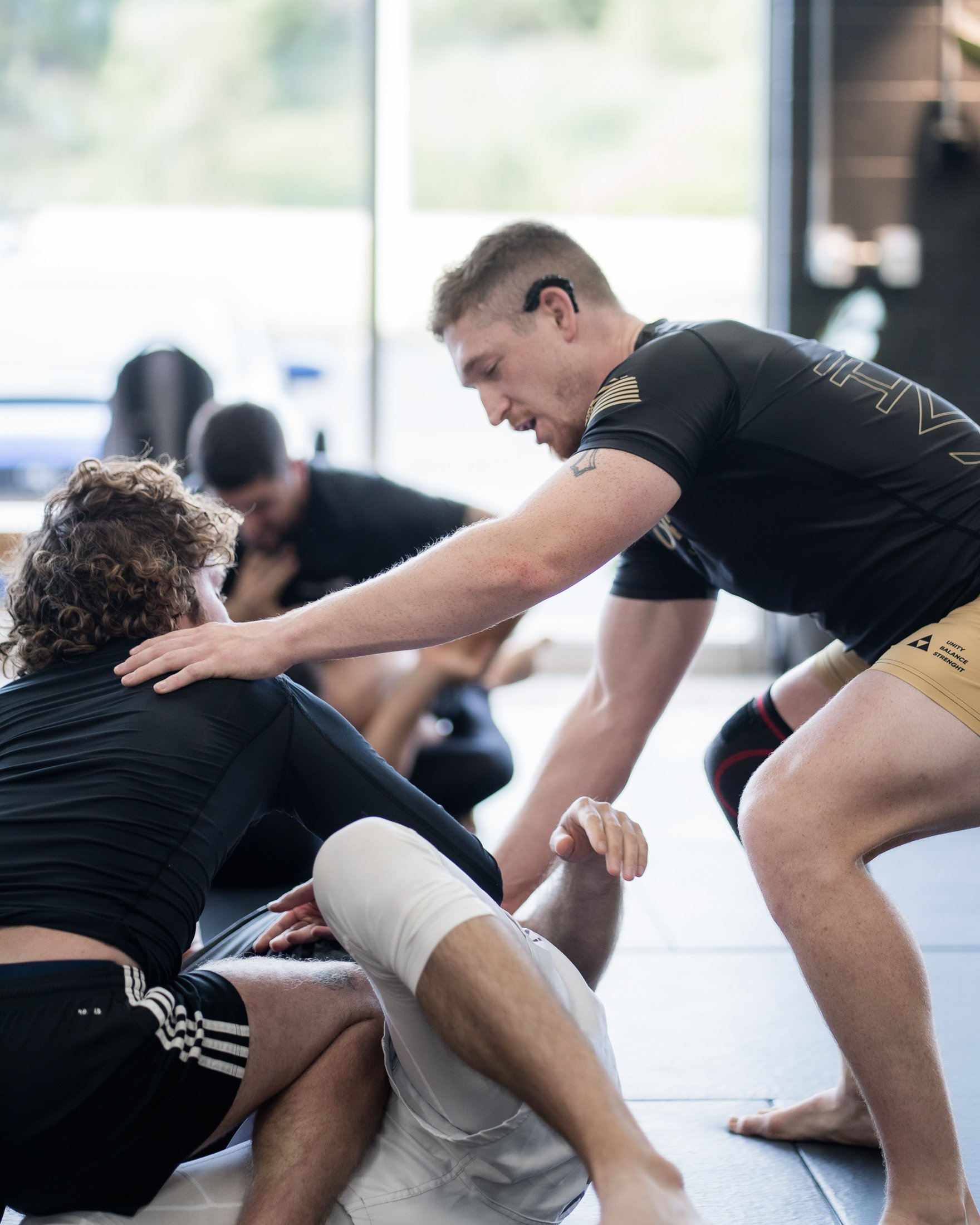
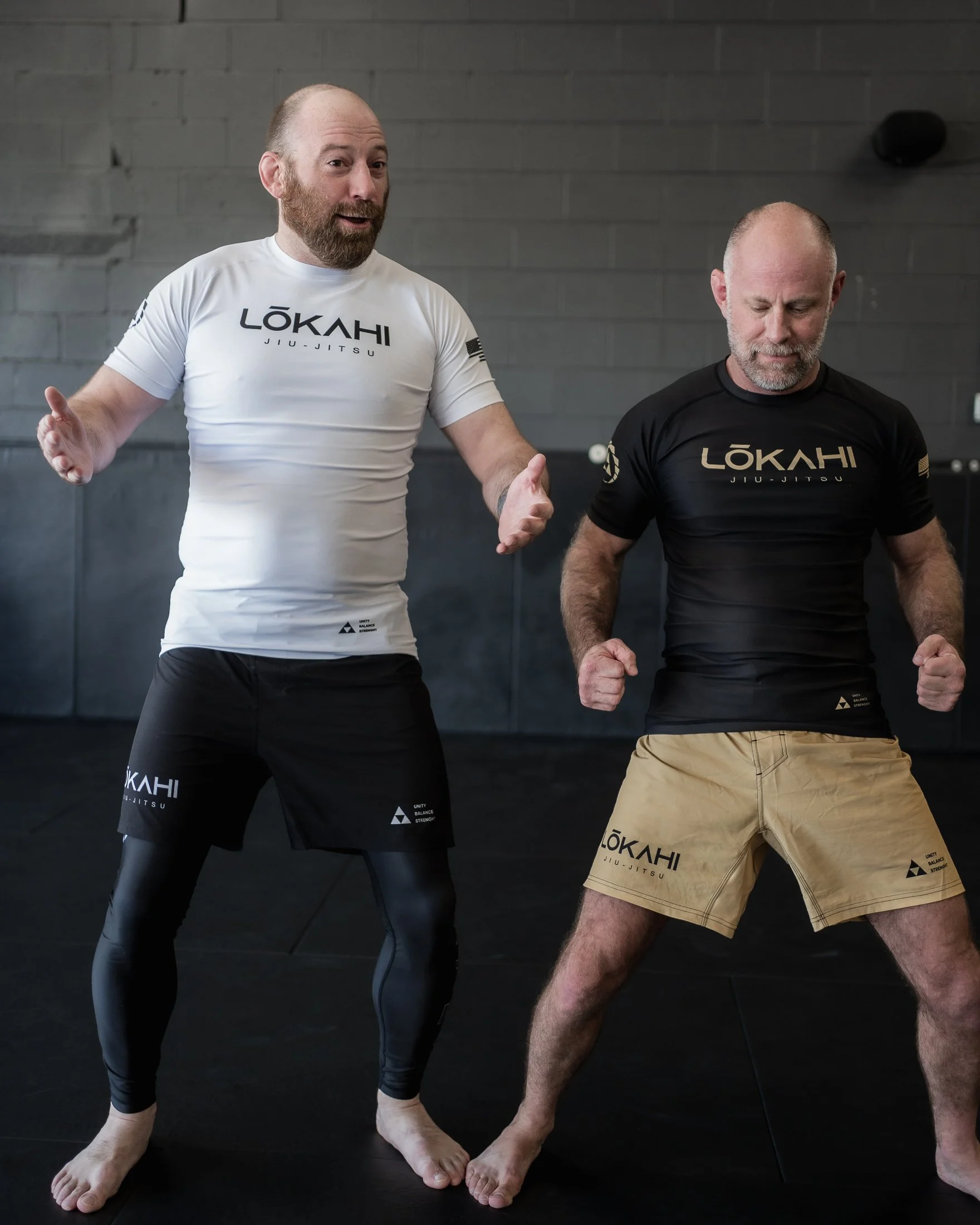
Pictured: Isaac Hiebert leads another awesome No Gi class on Monday afternoons - be sure to check him out!
Have you ever felt stuck in a position and not known where to advance next?
That’s exactly where one student found themselves earlier this week.
"I feel like I should be doing more in certain positions,” he reflected after rounds had finished. “It’s been nearly a year since I graduated Foundations, so I’m not getting submitted nearly as often. But I’m still having trouble putting it all together. What am I missing?”
Maybe learning a new guard would do the trick. Perhaps there was some magic grips he hadn’t yet discovered. Or maybe... he just needed the new LŌKAHI rashguard set to look a little tougher.
Naturally, I told him to buy the rashguard.
But after we had a laugh, I asked him to take a step back.
His problem wasn't a lack of techniques but grappling without a set of clear objectives and next steps. Every time he rolled, it was a scramble. What he needed was a repeatable framework for better understanding Jiu-Jitsu.
So we started with the four stages of every exchange: Get on top, Pass, Pin, and Submit.
Instead of asking, "What move should I learn next?" we asked a different question:
Which stage am I getting stuck in?
Once we identified the stage, we could focus on understanding the engagement and defining the objective. Only then would we add a few techniques to expand our solutions.
A few days later, he came back smiling.
"It seems so obvious now," he laughed. "I can't believe how stuck I felt."
We've all been there.
Jiu-Jitsu can feel like thousands of disconnected techniques. But beneath that complexity is a surprisingly simple progression. Understanding the four stages not only helps organize your training, it also explains how matches are scored and why certain positions matter more than others.
This month, we'll explore each stage, why it matters, and how this framework can simplify the way you think about Jiu-Jitsu.
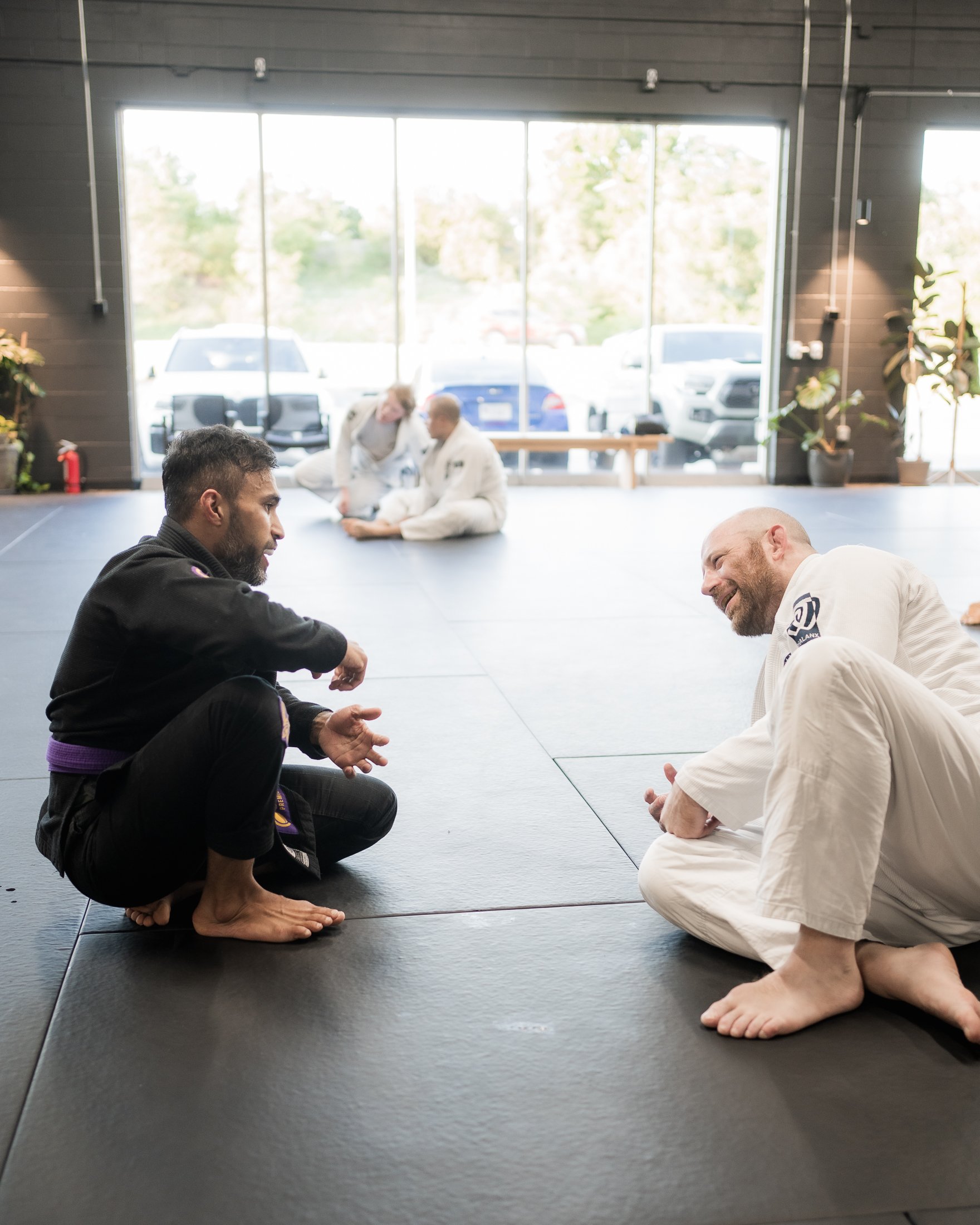
#1. Get on Top
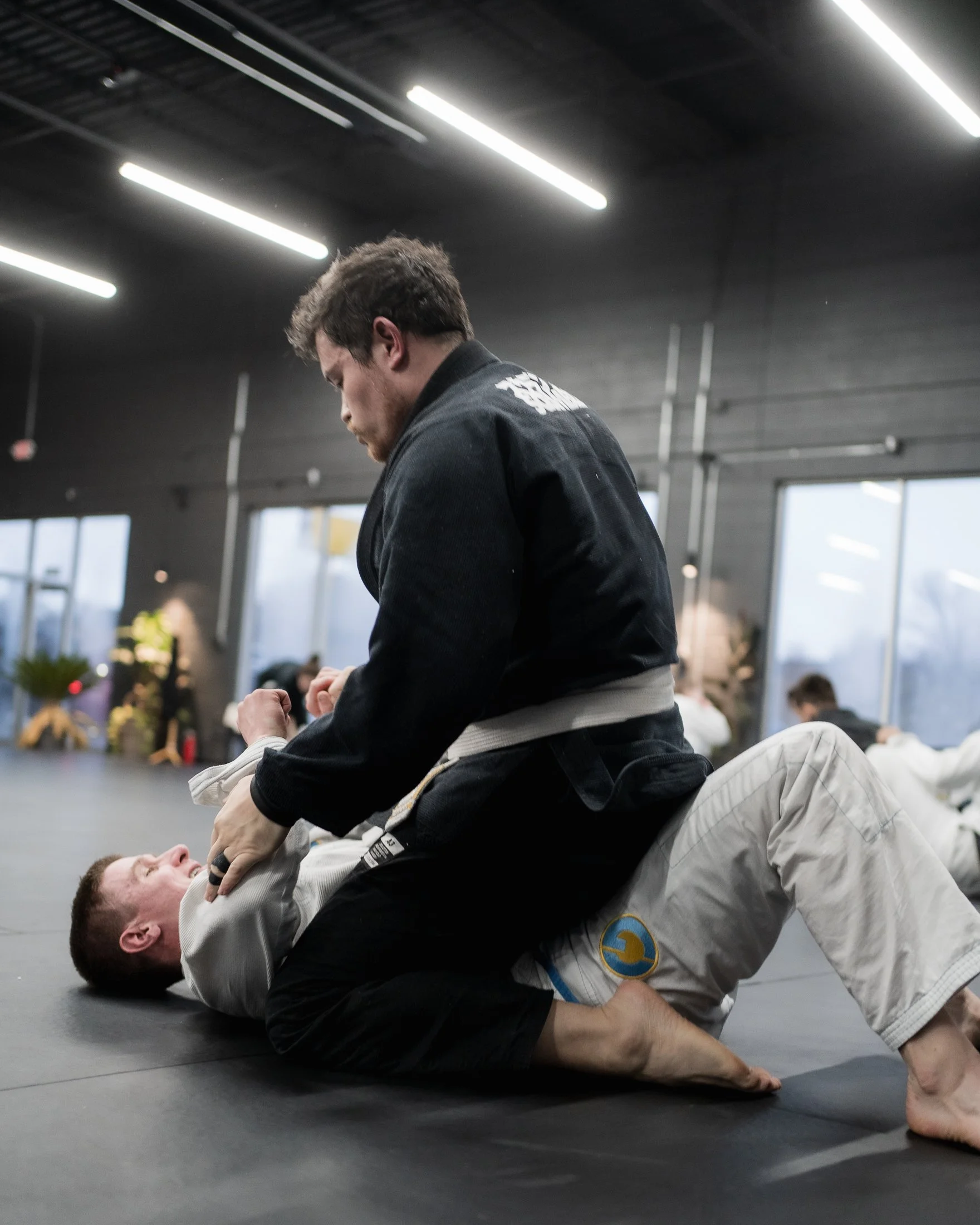
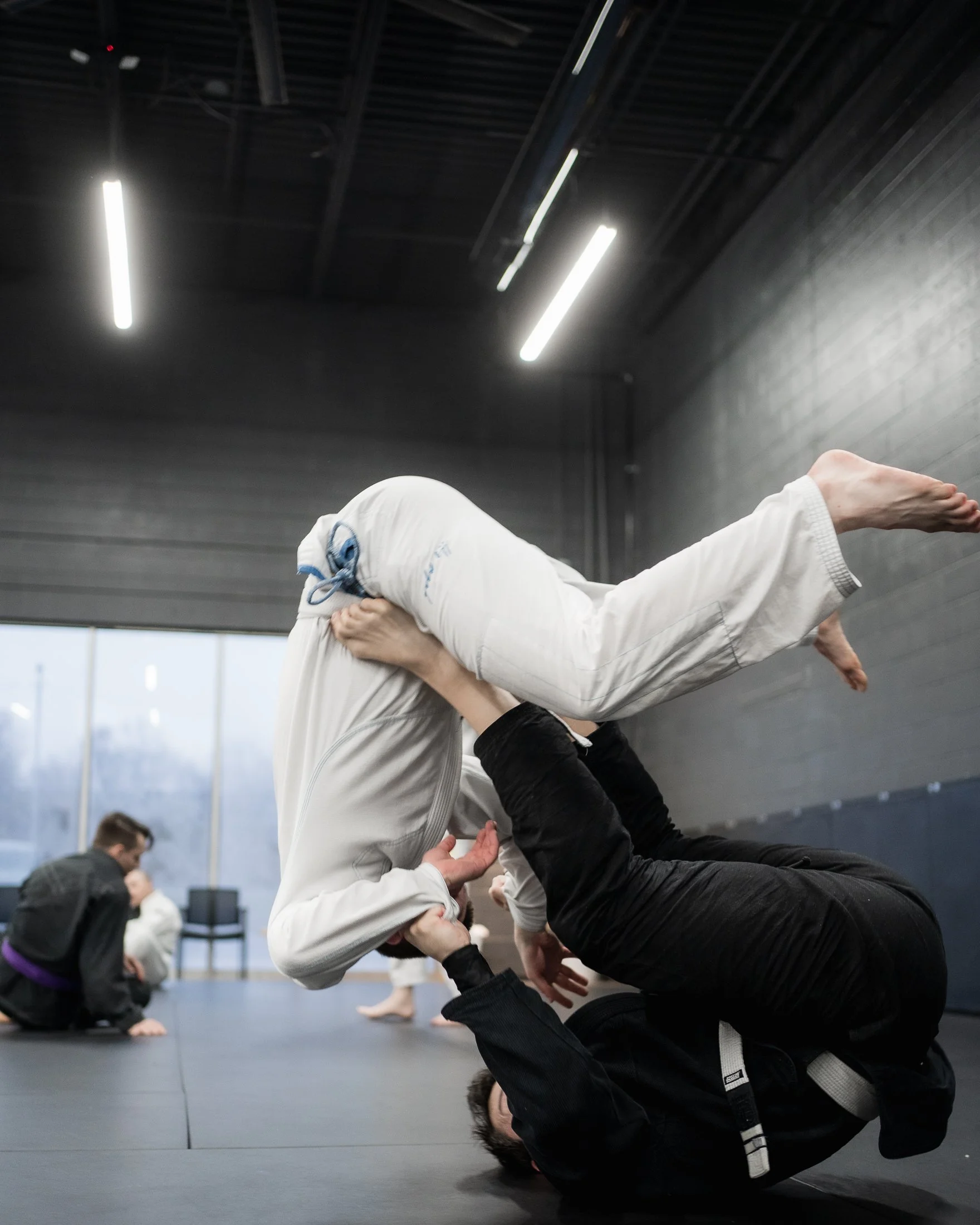
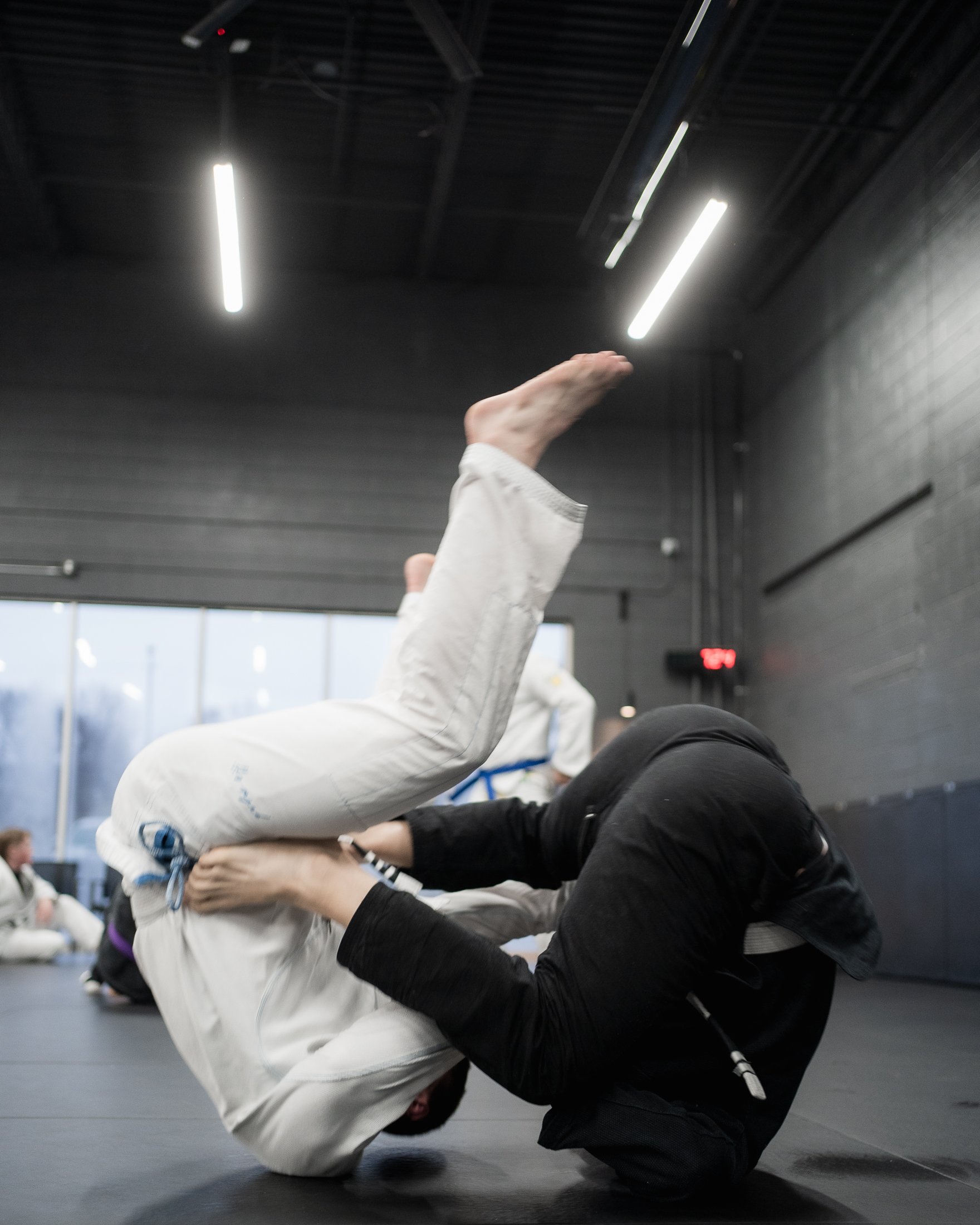
Getting on top is perhaps the broadest of the four stages because there are many ways to achieve this objective.
If the engagement begins standing, that may involve winning the hand fight, securing a body lock, and finishing with a trip or takedown. Others may prefer to pull to a seated guard before wrestling up to a single leg. If you find yourself on bottom, getting on top may mean building strong frames, recovering your guard, and sweeping.
The path isn't nearly as important as the objective. Different backgrounds, body types, injuries, and athletic abilities naturally lead people toward different solutions. As someone who grew up wrestling, it may surprise you that I often encourage students to first develop a strong wrestle-up game before learning traditional shots.
Why? Because getting on top changes everything. From top position, we're better able to see threats, apply our bodyweight, and begin advancing toward the more offensive stages of the exchange.
#2. Pass
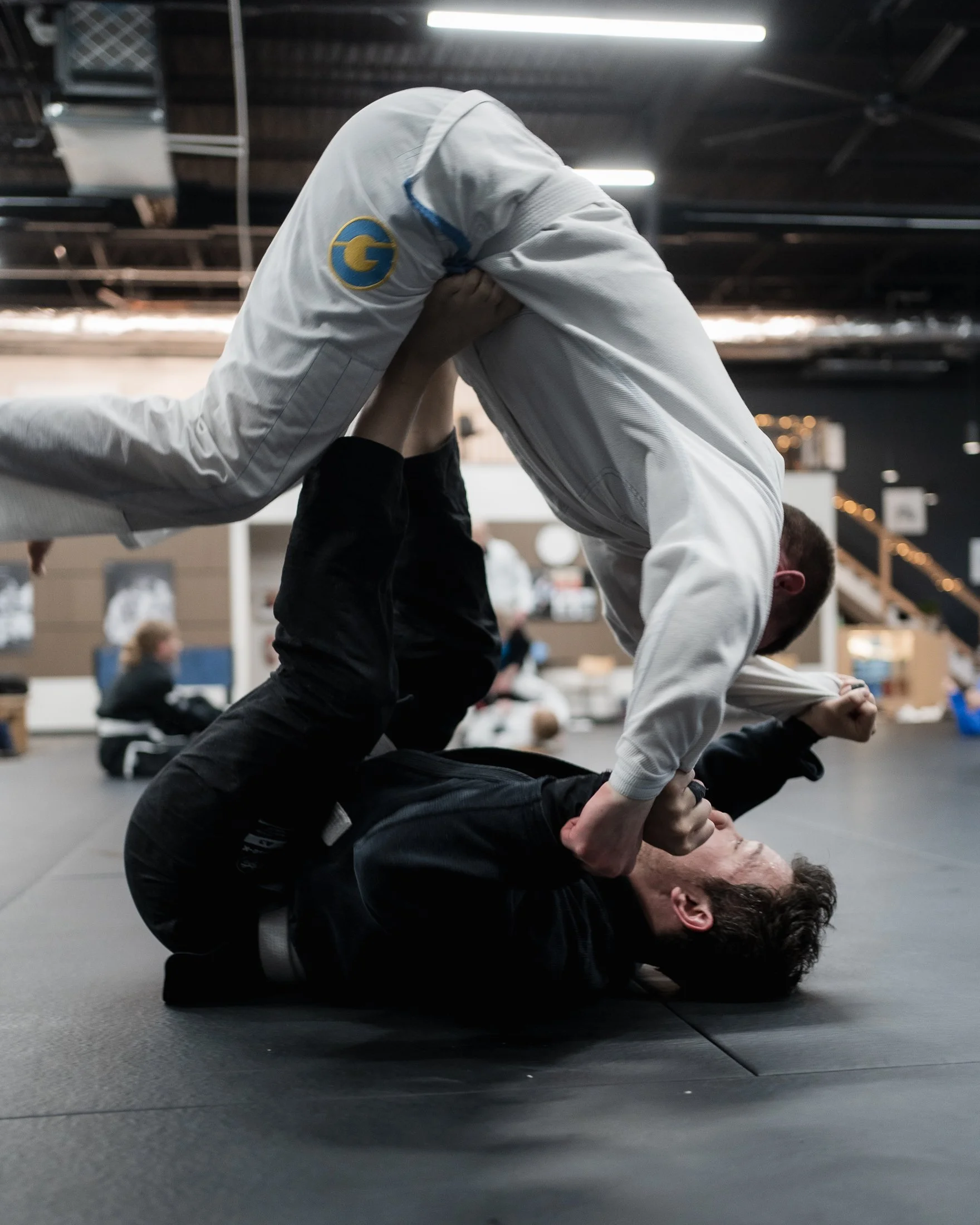
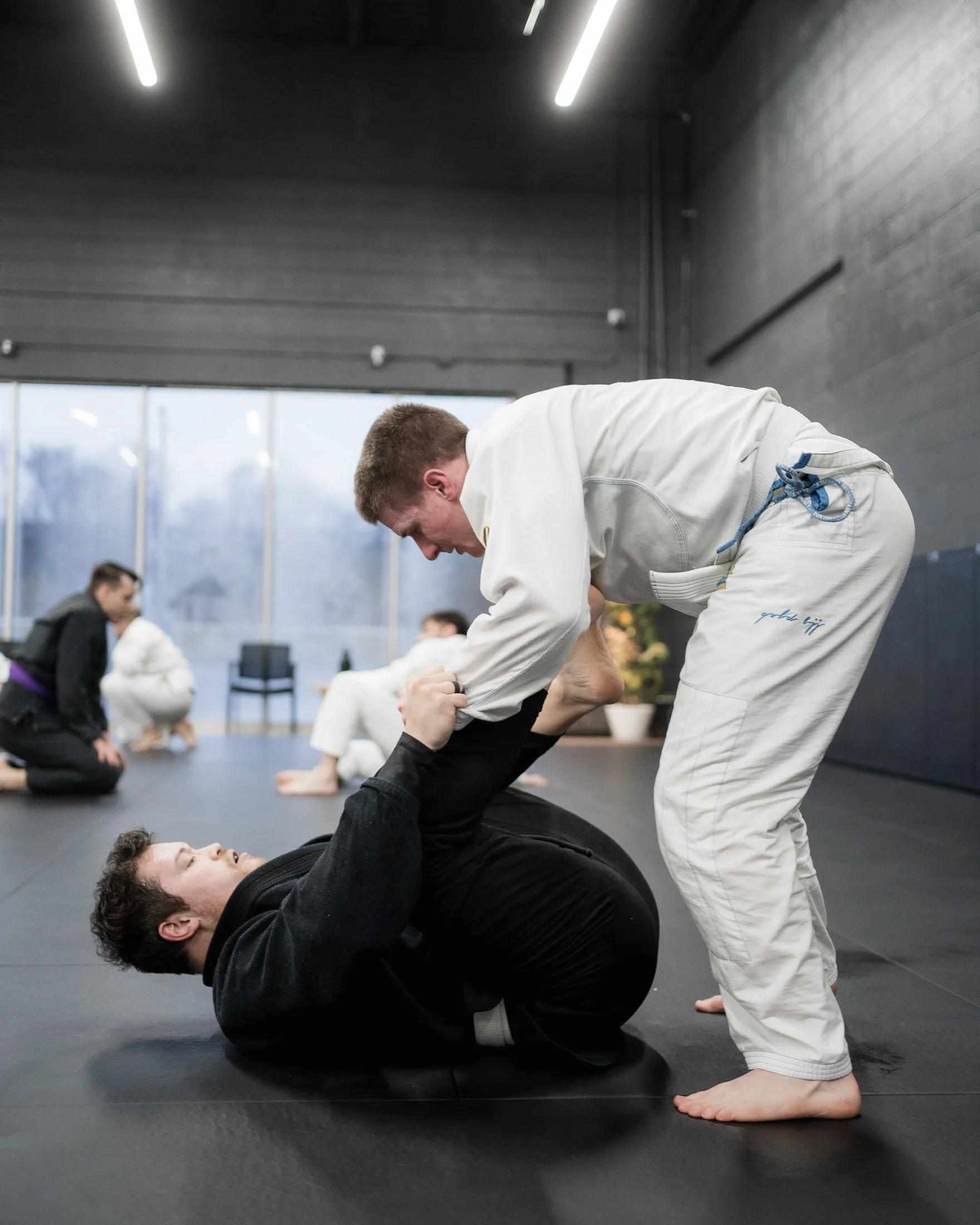
Once we've established top position, our next objective is to get around the legs.
This is where much of modern Jiu-Jitsu is played. As guards become increasingly sophisticated, passing becomes less about forcing your way through and more about neutralizing the threats your opponent creates with their legs.
Pins, floats, stacks, body locks, leg drags, and misdirection are all different solutions to the same problem: safely getting beyond the legs.
The reason this matters is simple. A good guard uses the legs in coordination with the upper body to keep distance, create movement, and prevent meaningful connection to the hips and chest. Until we solve that problem, true control is difficult to establish.
#3. Pin
If Passing creates opportunity, Pinning keeps it.
Similar to wrestling and judo, pins are built around controlling the core of the body - typically through strong chest-to-chest connection that limits your opponent's ability to move their shoulders and hips freely.
While an arm or leg may still be available, the engine of the body has largely been immobilized. That's why pins create so much control.
As we progress from side control to knee-on-belly, mount, north-south, and eventually the back, our control generally increases. These positions are scored hierarchically in Jiu-Jitsu because each one further limits our opponent's options while creating more predictable opportunities to attack.
Great pinning allows us to dictate the pace of the exchange rather than simply reacting to it.
Whoever dictates the pace, the space, and angles will likely win the exchange.
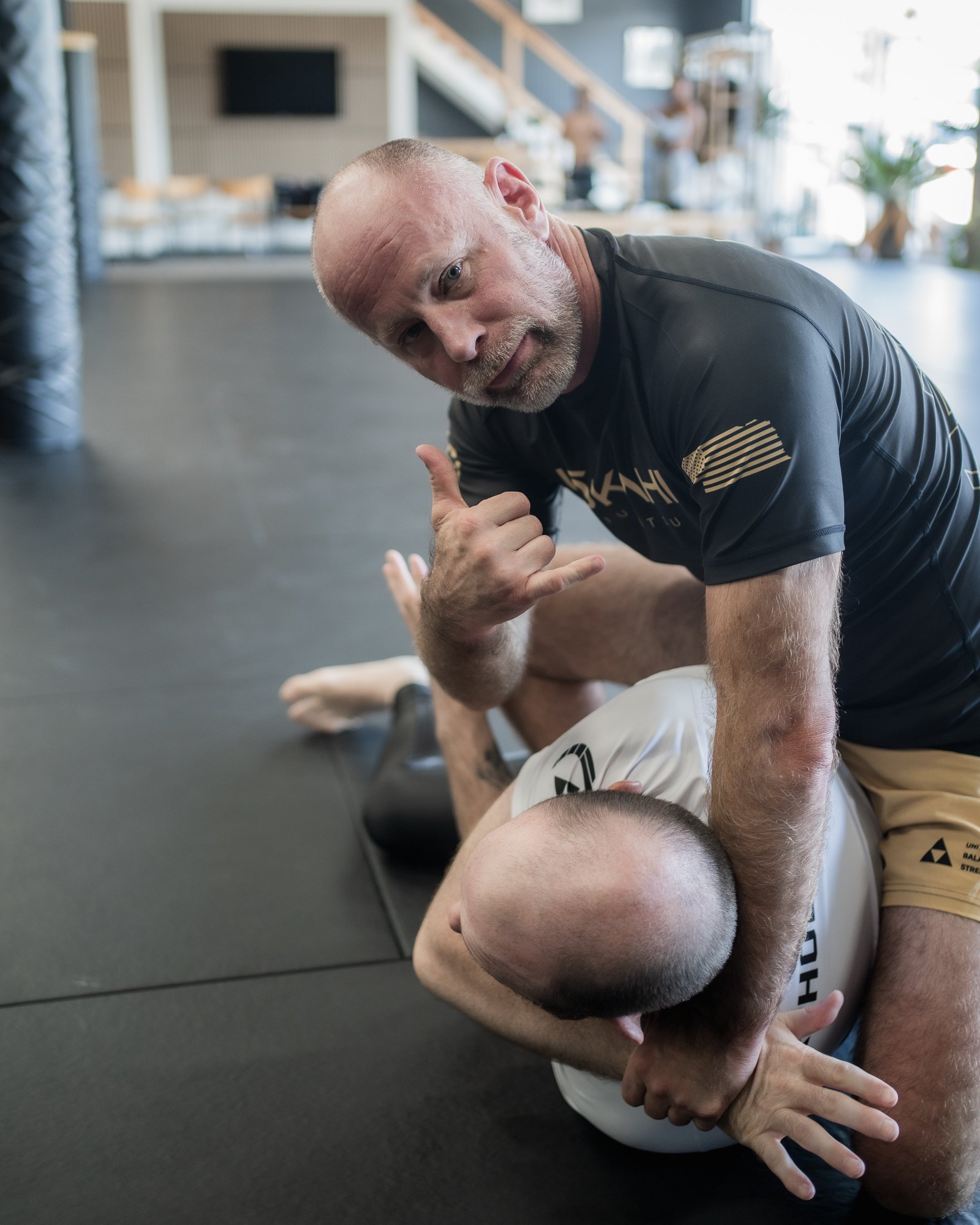
#4. Submission
Submission represents the final stage - not because it's the only objective, but because it's the natural result of progressively increasing control.
Arm locks from top side control, collar chokes from mount, and rear naked chokes from the back all demonstrate the same principle: the better our control, the higher percentage our submissions become.
Early in a student's journey, submissions can become a trap. In the excitement of finishing, it's common to sacrifice control too early. Without proper timing and mechanics, a dominant position can quickly become a scramble - or worse, place us underneath our opponent.
That's why we encourage newer students to focus primarily on submissions from dominant top positions. As experience grows, so does the ability to recognize opportunities, set traps, and safely attack from nearly every position.
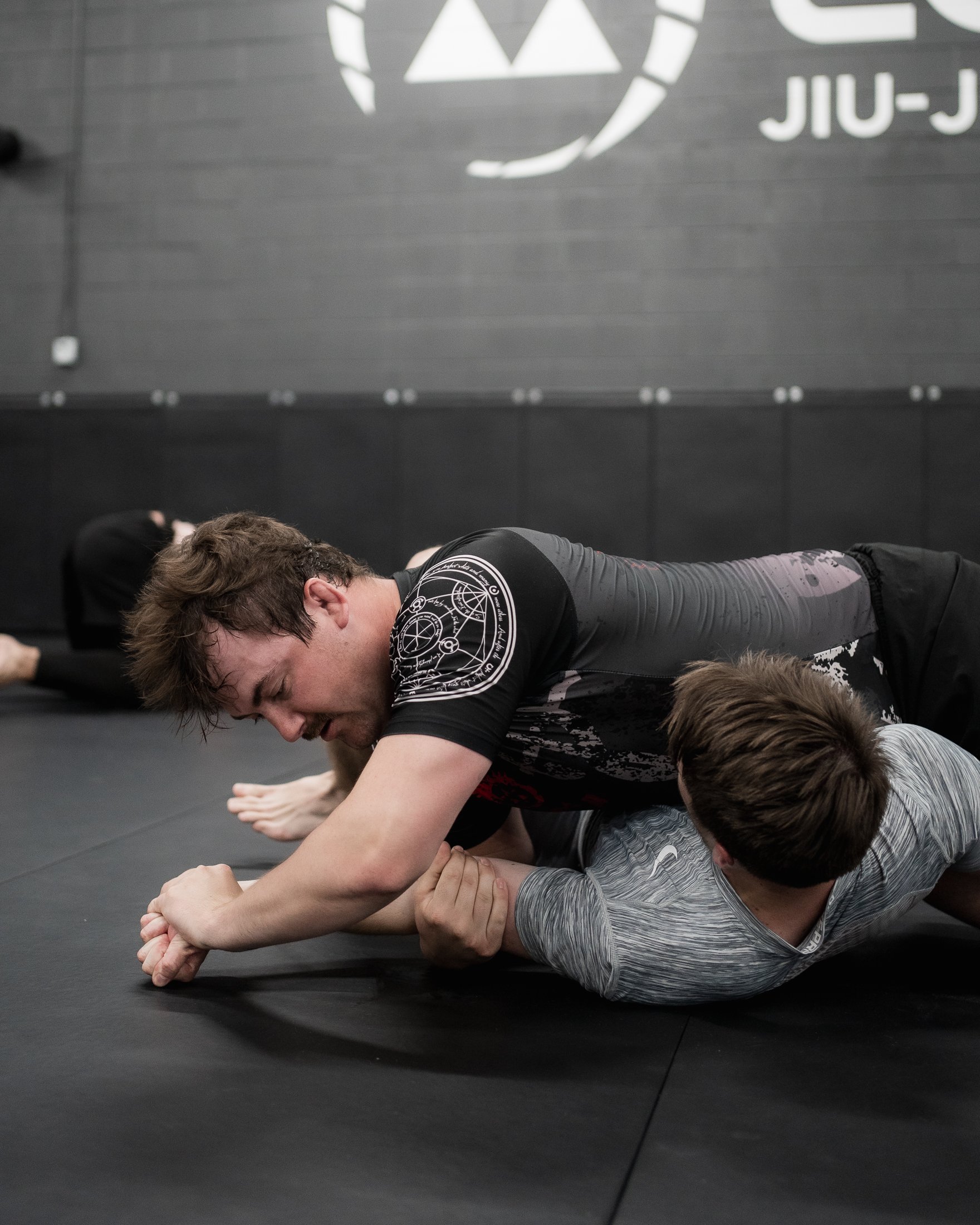
Exceptions to the Rule
Like any framework, this one has exceptions.
The modern leg lock revolution demonstrated that highly skilled practitioners can attack effectively from positions that were once considered purely defensive. Likewise, tournament strategy sometimes rewards competitors for intentionally avoiding parts of the traditional progression. Positions like 50/50, for example, often change the incentives because passing becomes extremely difficult and strategic advantages can outweigh positional advancement.
But exceptions don't replace the fundamentals - they build upon them.
American Jiu-Jitsu and MMA legend Rafael Lovato Jr. often talks about building a game that’s timeless (check out this great rolling video and interview from FloGrappling). And I believe that's exactly what this framework provides. It isn't flashy. It isn't revolutionary.
Instead, it offers a timeless way of organizing the art around progressively increasing control.
The student who approached me after class didn't improve because he suddenly learned ten new techniques. He improved because he finally had a way to organize what he already knew.
The next time you find yourself feeling stuck, don't ask, "What technique should I learn next?"
Instead, ask yourself:
"Which stage am I struggling to progress through?"
Once you identify the problem you're trying to solve, the techniques begin to make much more sense.

“ The energy in the room is contagious….”
“Started BJJ this week at Lokahi and I’m already hooked. The coaching is genuinely excellent, clear instruction, patient with total beginners, and you can tell these guys actually care about you getting better, not just surviving class. Beyond that, the whole crew made me feel welcome from day one, no ego, no attitude, just people happy to help a new guy figure things out. The energy in the room is contagious too, it’s intense when it needs to be and fun the rest of the time. If you’re on the fence about starting jiu-jitsu, this is the place to do it. Five stars, easy.”
Got Merch?
There’s few things in this world that will make your Jiu-jitsu (look) better than rocking some sweet merch. We’ve got a few more items in stock and available for order. Check on the SHOP and get yours before they’re gone!
Collective Member Spotlights
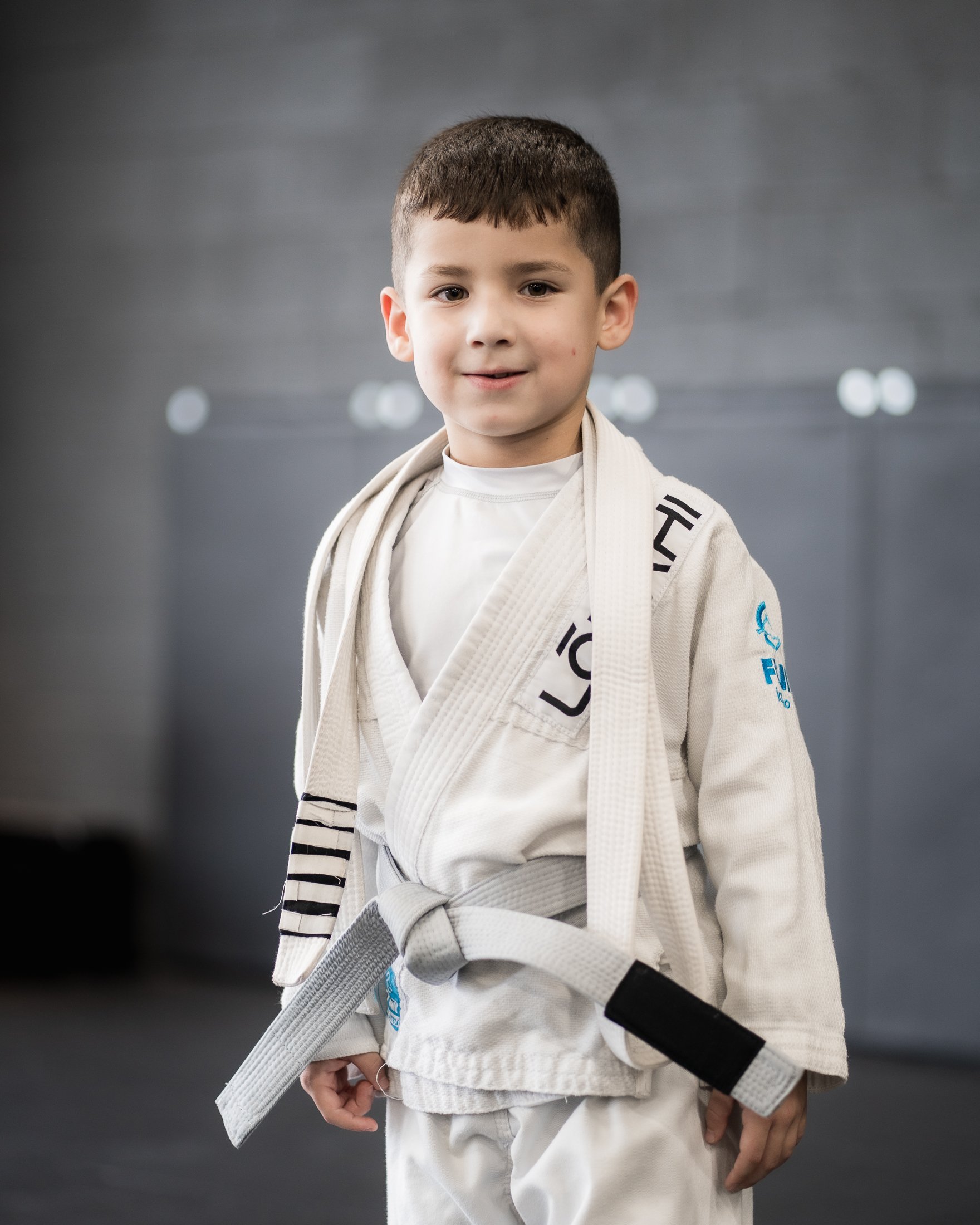
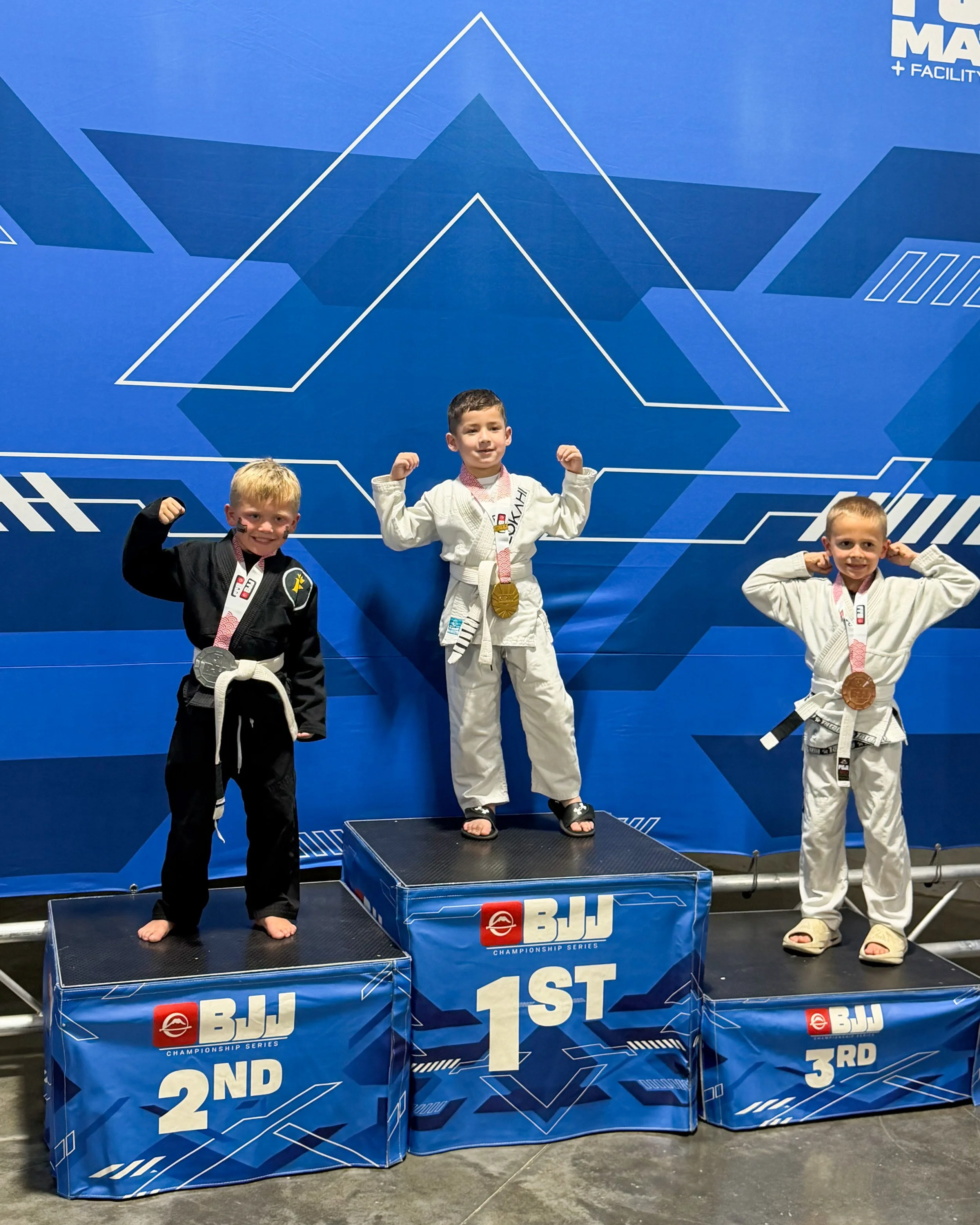
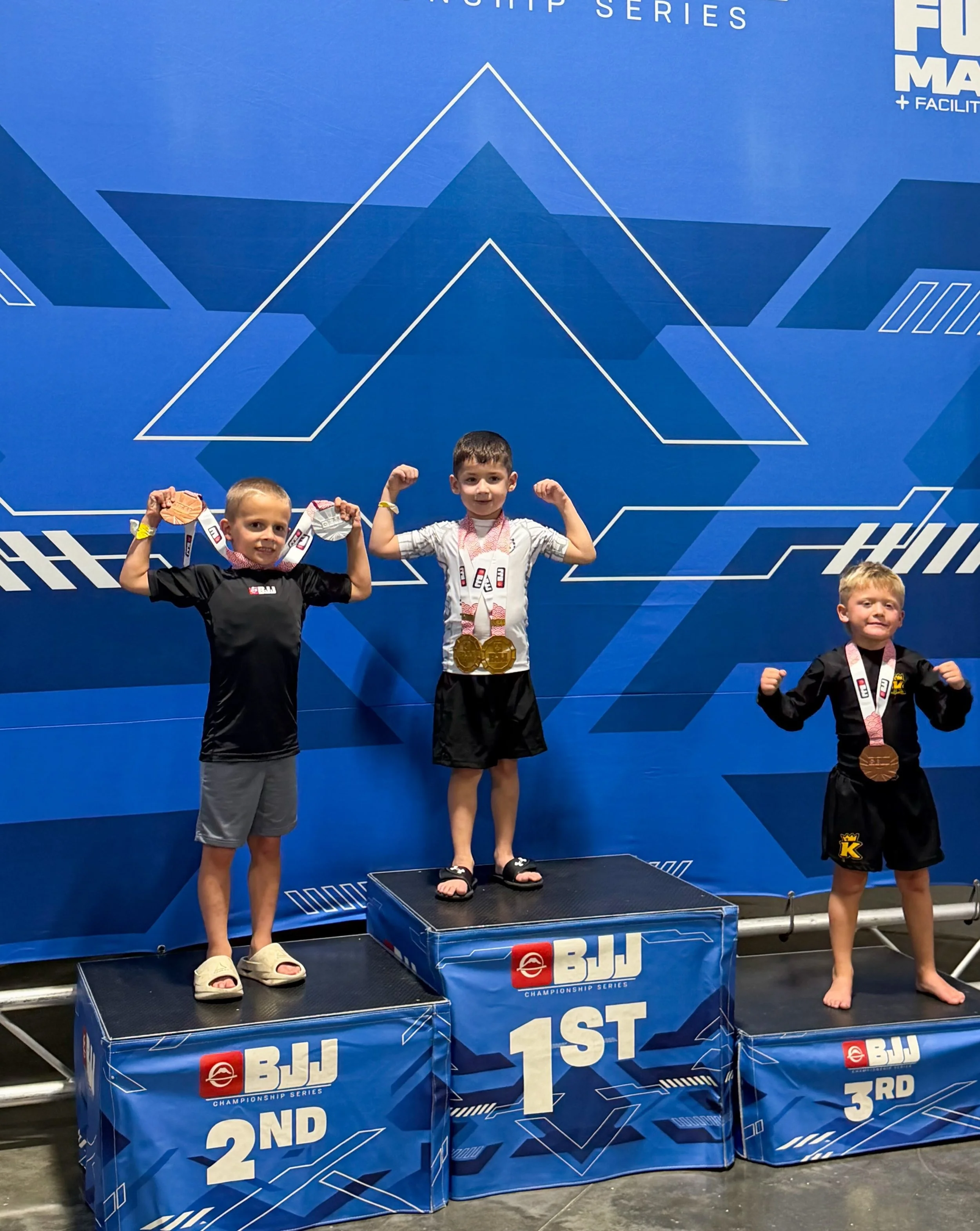
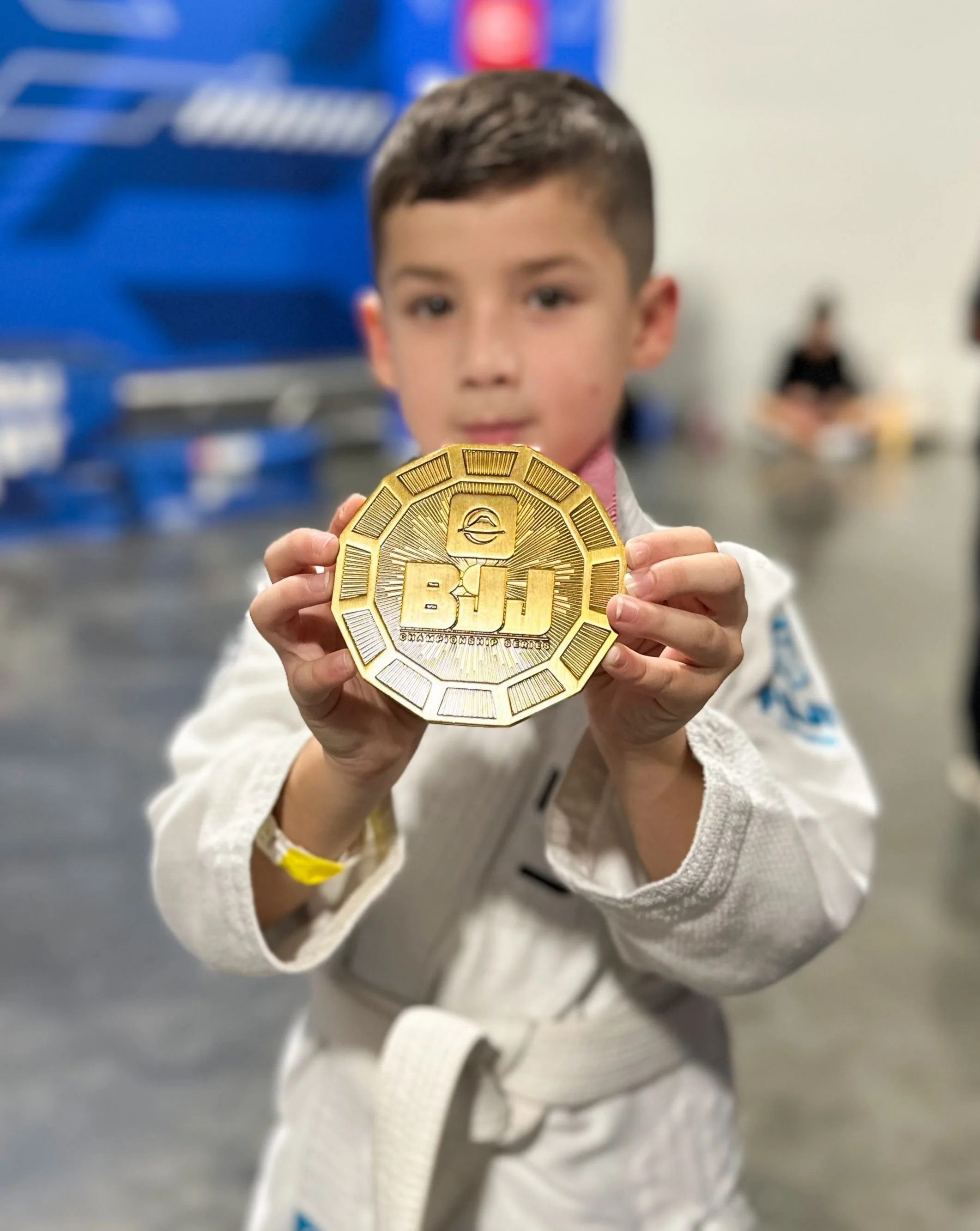
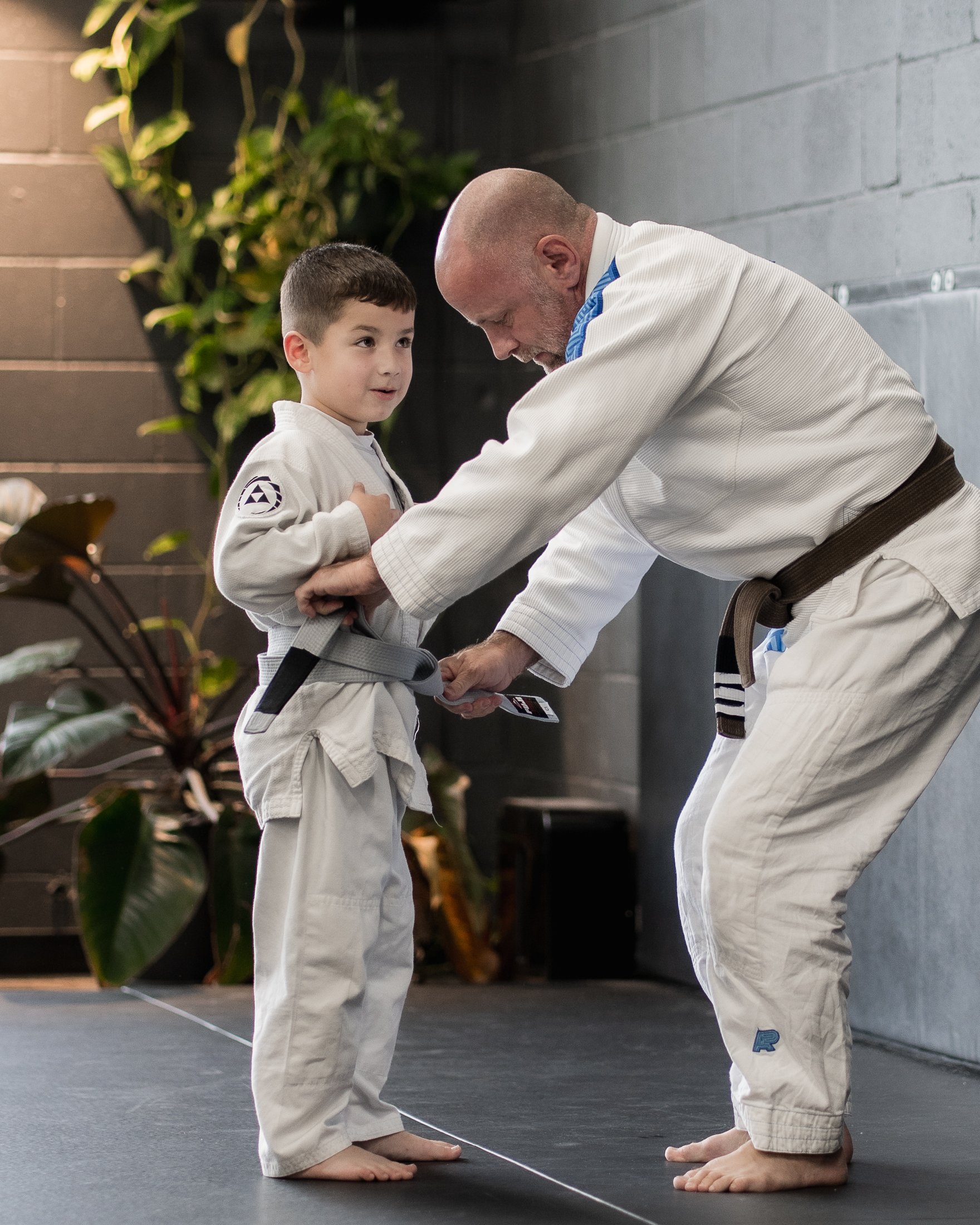
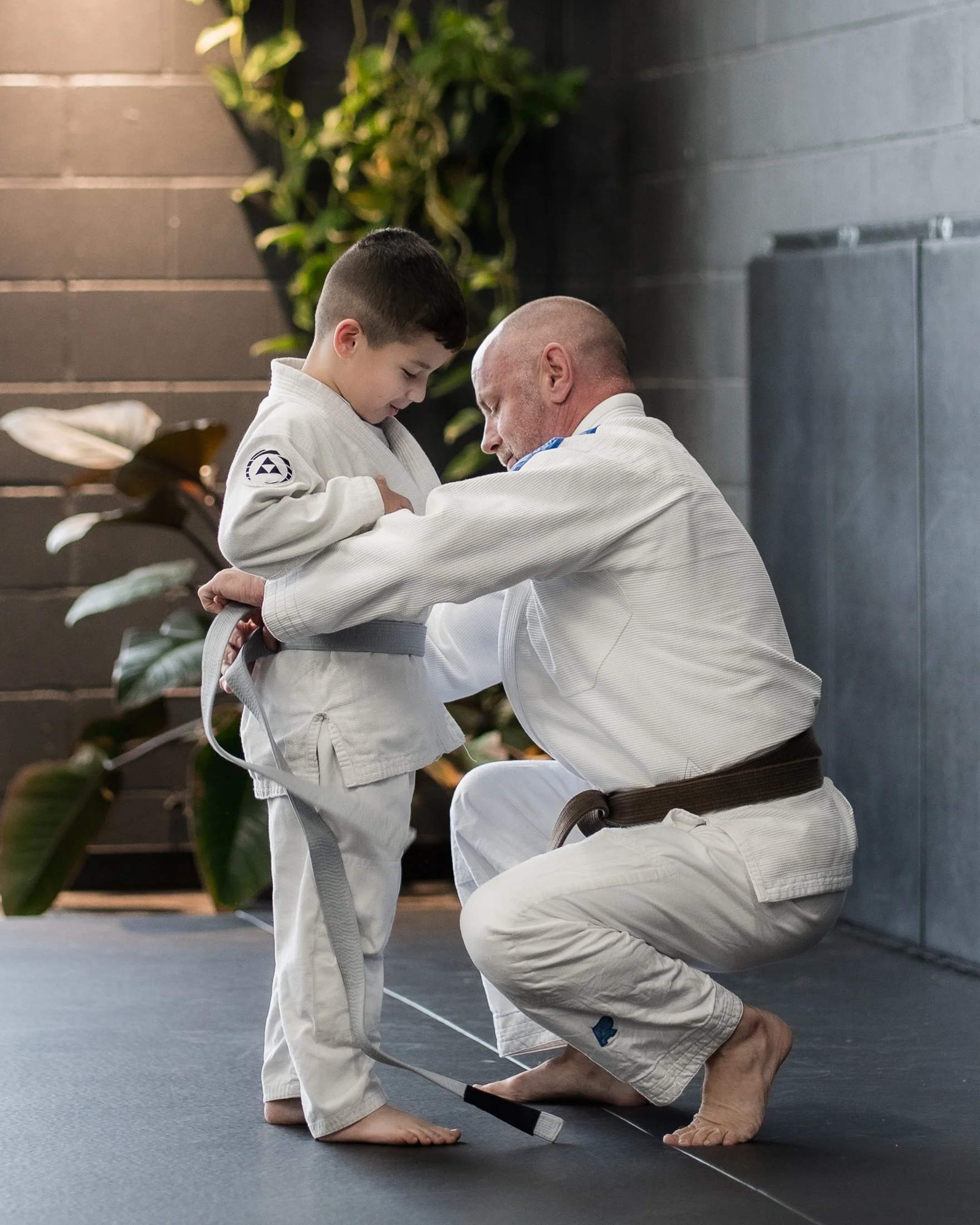
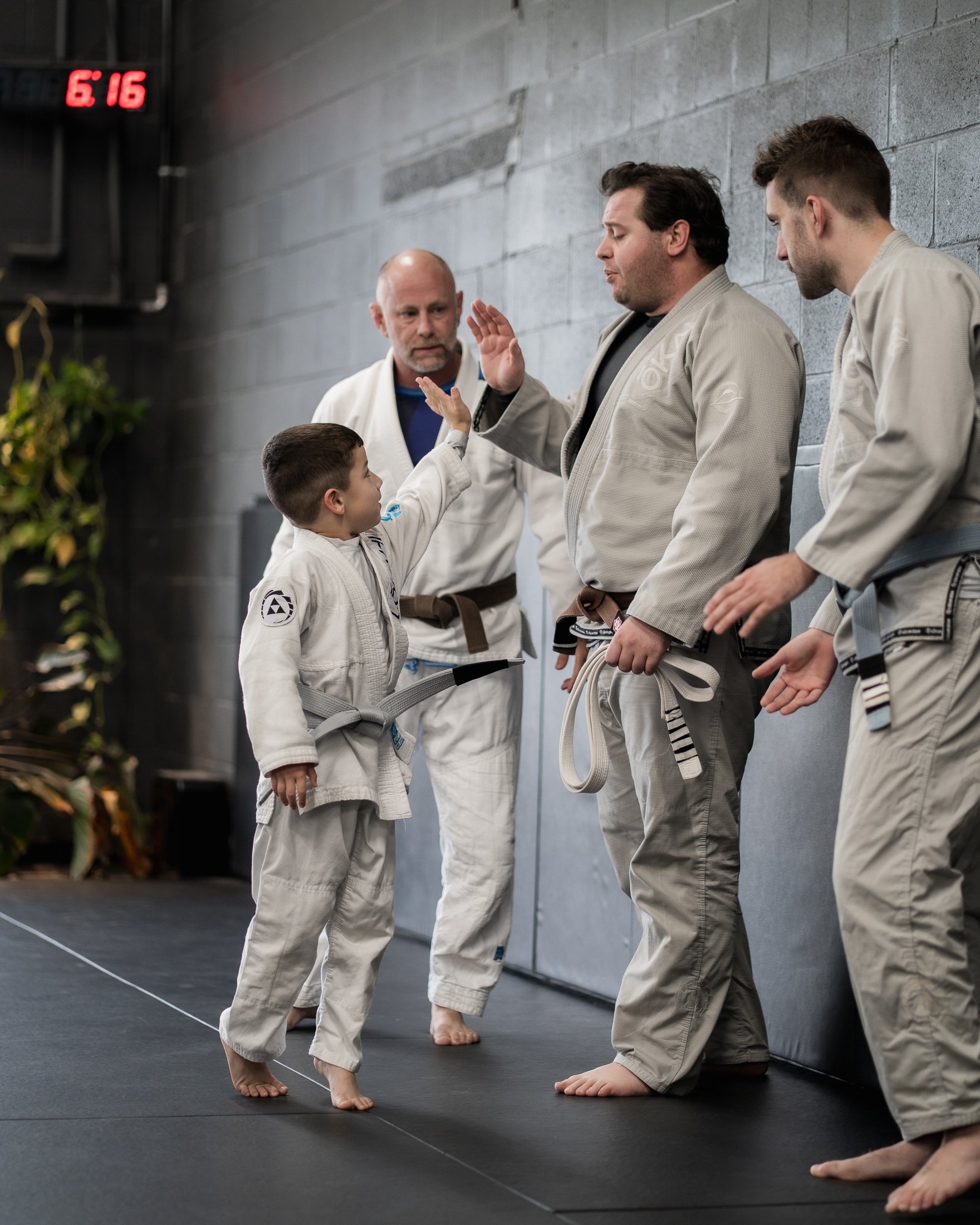
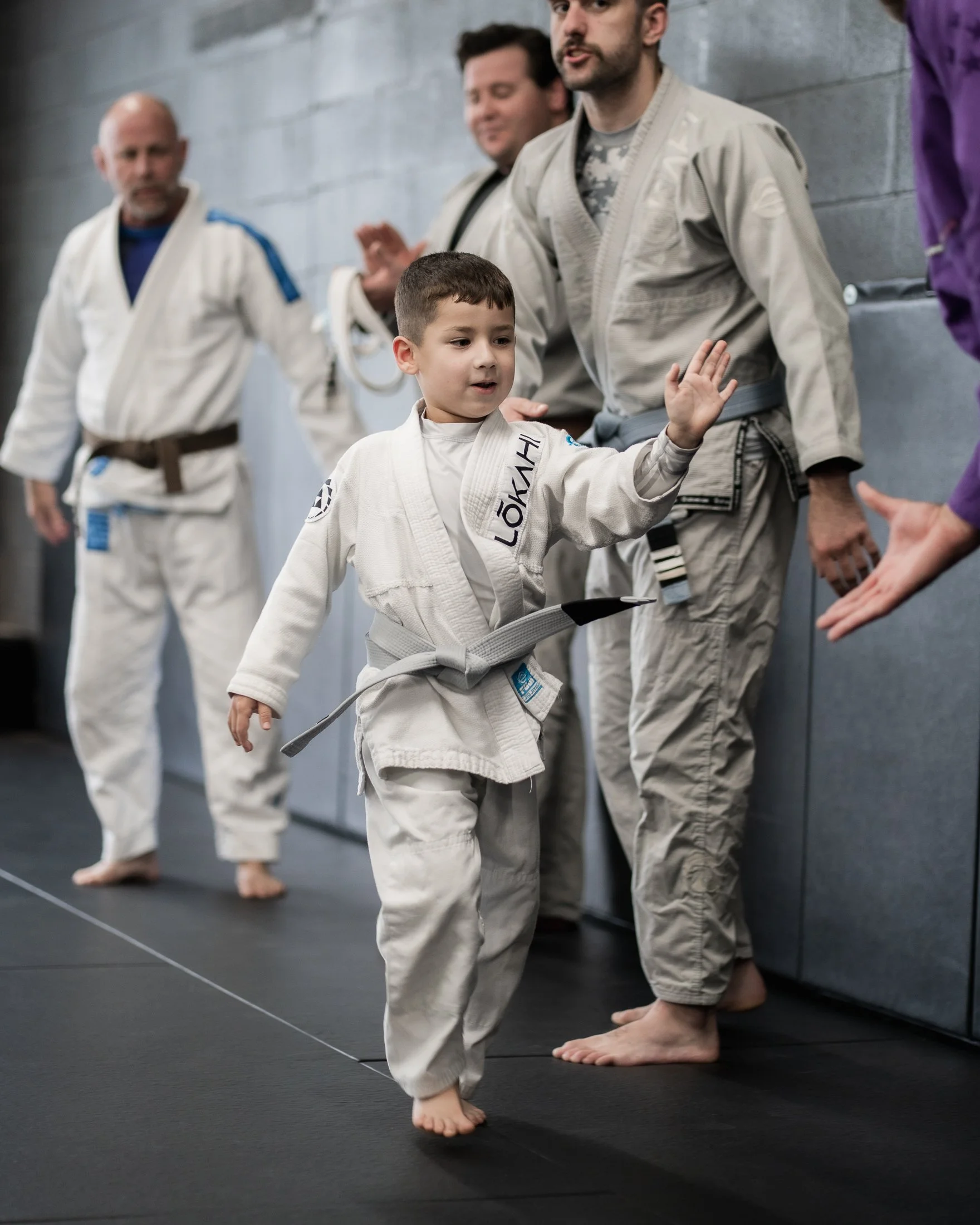
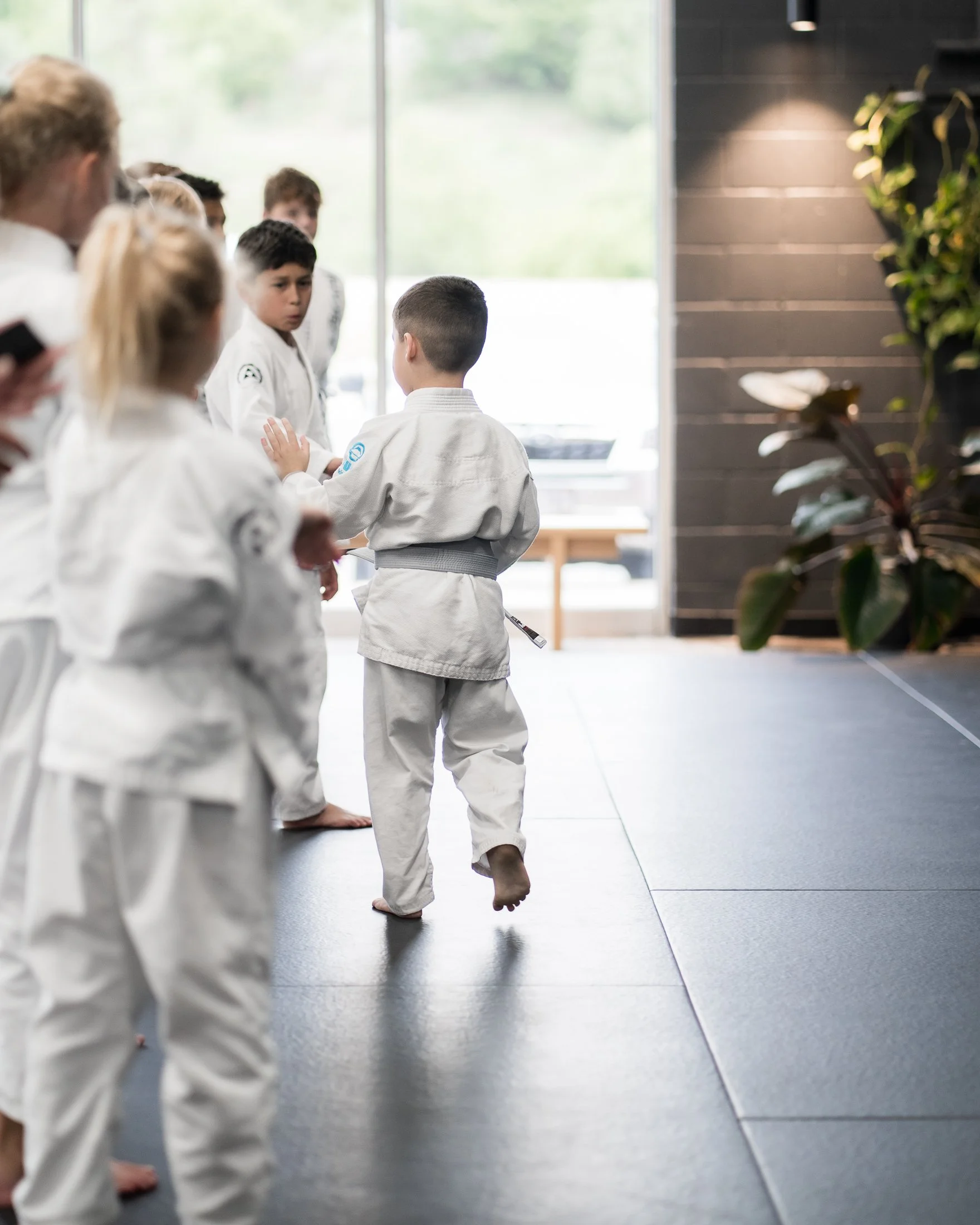
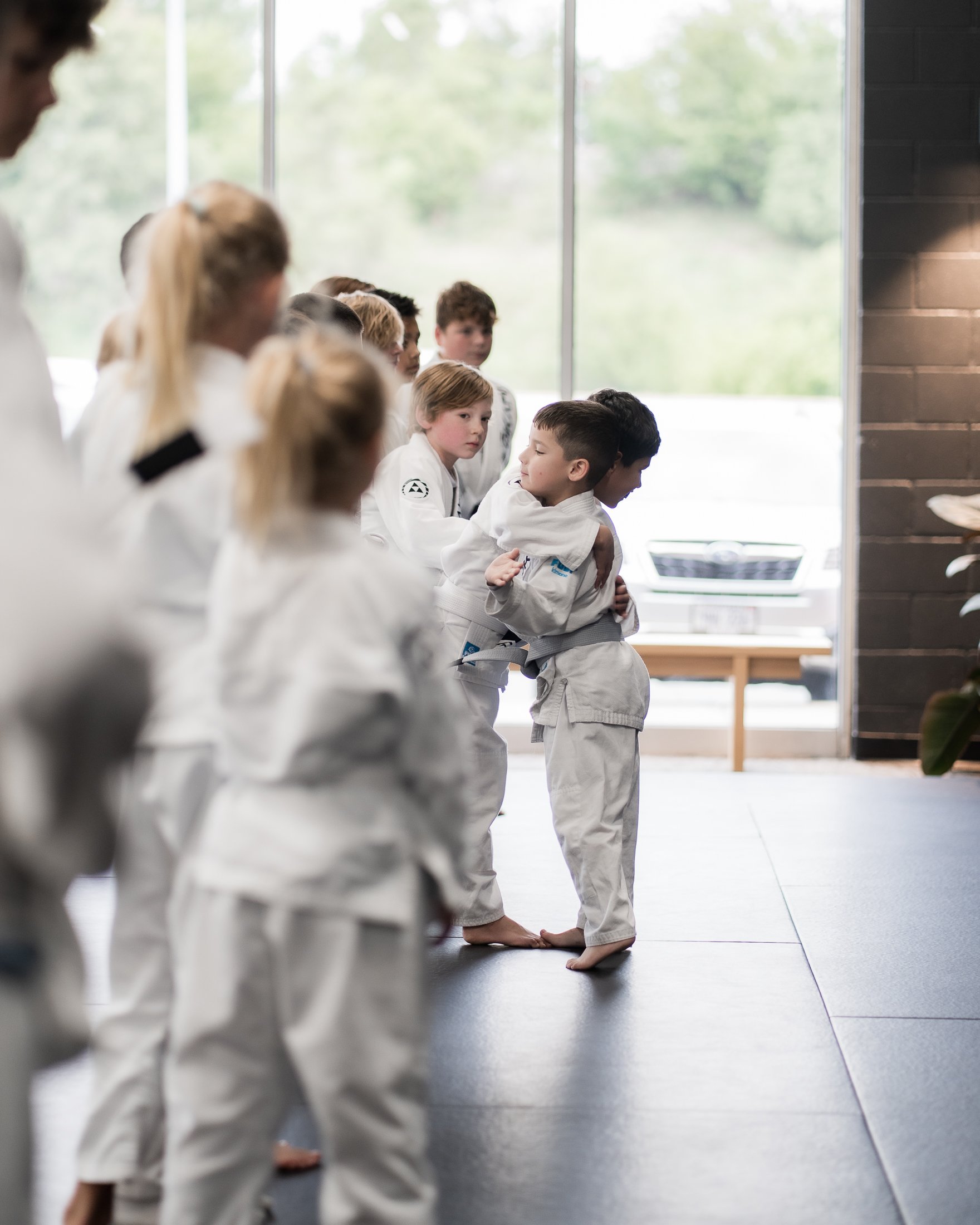
We’d like to celebrate AMIR ALISHERZODA!
Amir’s journey to Grey Belt is a story of persistence and a testament to his resilient nature. After joining us nearly a year ago with no grappling experience, Amir jumped in headfirst. He quickly became a familiar face in our youth classes and developed a reputation for finding his way to an opponent’s back.
But the road wasn’t always easy.
At his first tournament last spring, Amir was bumped up two weight classes. For a six-year-old, the size difference was significant, and he finished the day 0-4.
But Amir didn’t give up.
He trained harder, stayed after class for extra rounds, and kept a positive attitude while preparing for his next opportunity. Last weekend at the FUJI BJJ Championships in Kansas City, all of that hard work paid off. In a complete turnaround, Amir earned double gold medals and ended the tournament with a perfect 8-0 record.
Amir’s story is a reminder that hard work, perseverance, and the right attitude can change the outcome. Our past experiences don’t have to define us, and Amir is a wonderful example of that.
Congratulations, Amir! We couldn’t be more proud of you.
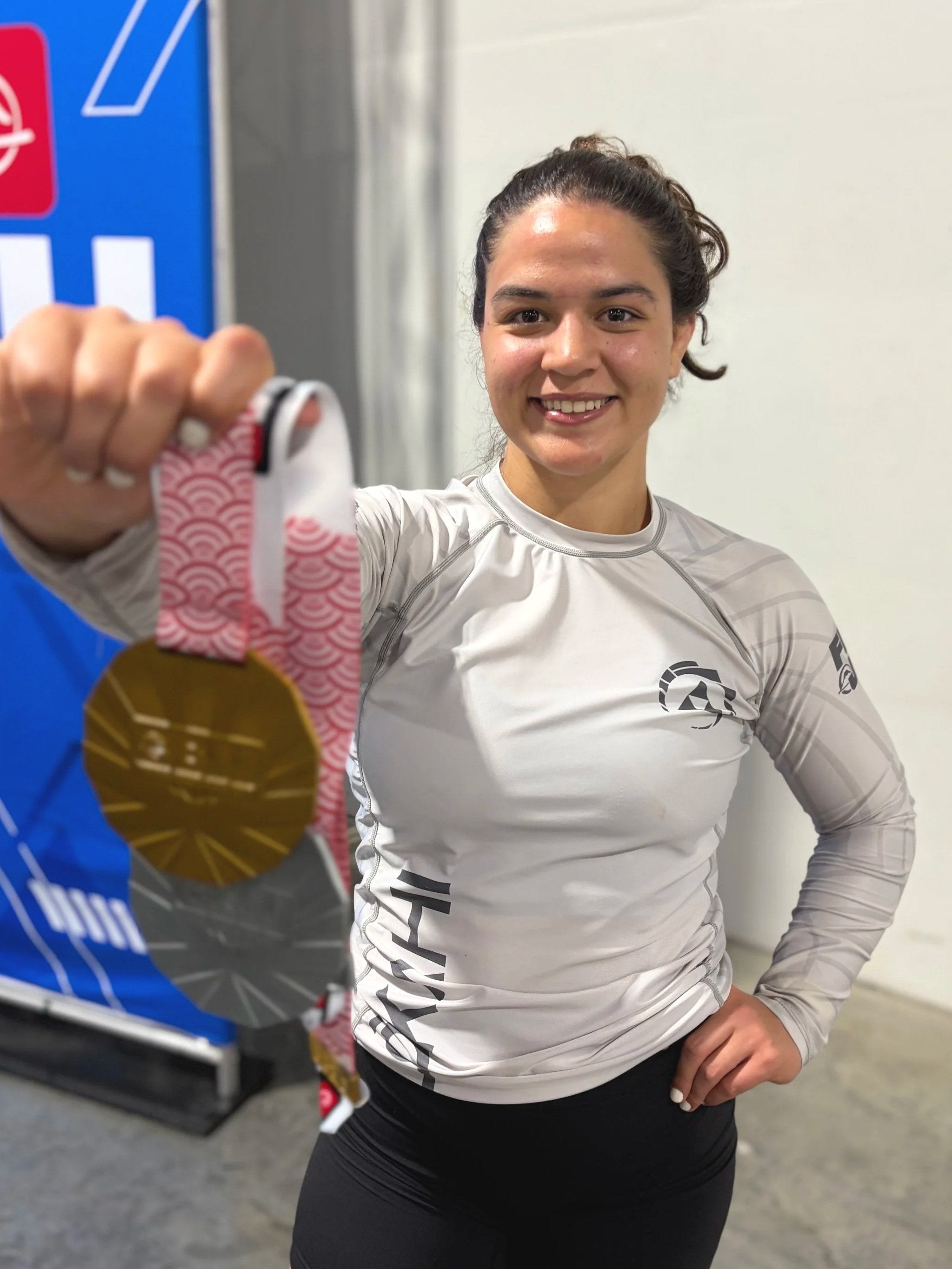
Congratulations to Ashlynn Ortega for an outstanding showing at the Fuji Open in Kansas City. Ashlynn went 4-1, competing in both Gi and No Gi with some highlight reel throws.
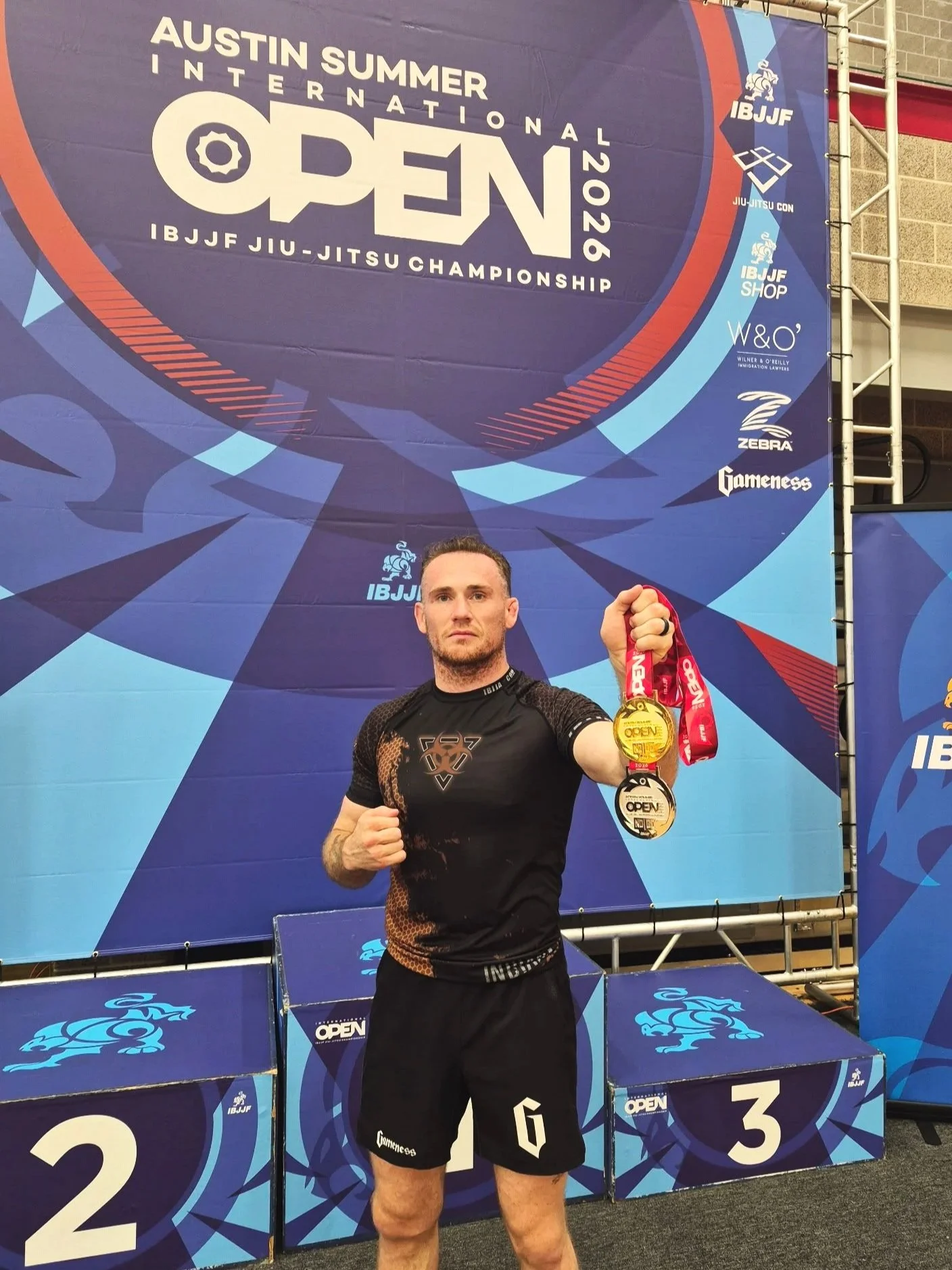
Congratulations to Guy Rouelle for his strong performances at both the IBJJF Dallas and Austin opens. Coach Guy has been racking up both medals and wrestle-ups and we’re glad to see his hard work being rewarded.
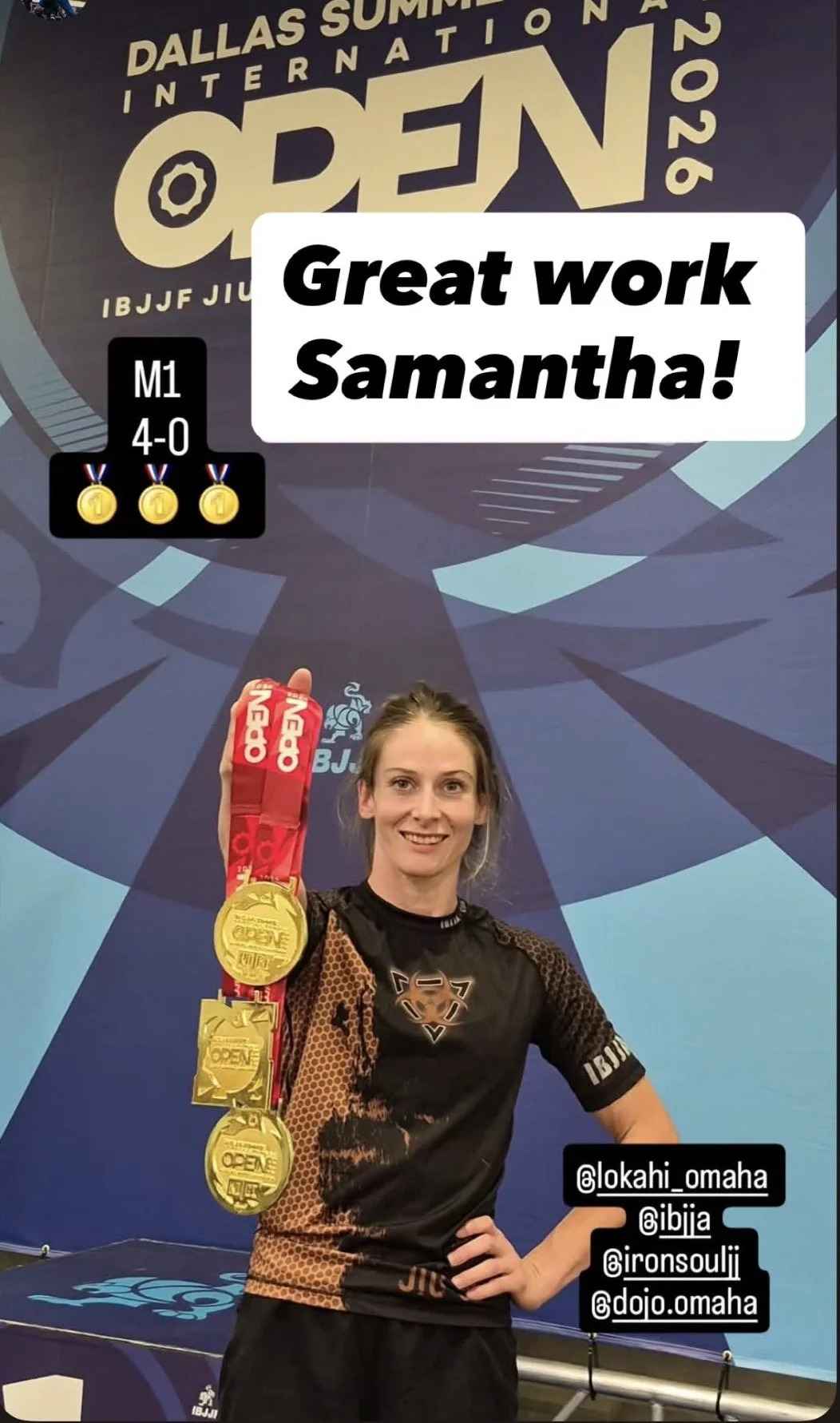
Congratulations to Samantha Rouelle for her awesome performance at the IBJJF Dallas Open! Samantha had a perfect 4-0 outing against some tough competition.
Congratulations to Jake Novak who popped the big question to his girlfriend Sam!
Congratulations to Brady Knott who celebrated his engagement to his girlfriend Caitlin!
“A Hui Hou”
We thank these Collective members for their contributions to the gym and best wishes on their journey abroad.
A Hui Hou and until next time!
DWITIY “D” REVANKAR
A purple belt with a flowy style, D’s approachable personality made him a go-to training partner for practitioners looking for technical rolls. He’s probably hit you with his signature Skywalker pass, but will be glad to share his tips and tricks. D will be relocating back to Southern California for work in the second week of August.
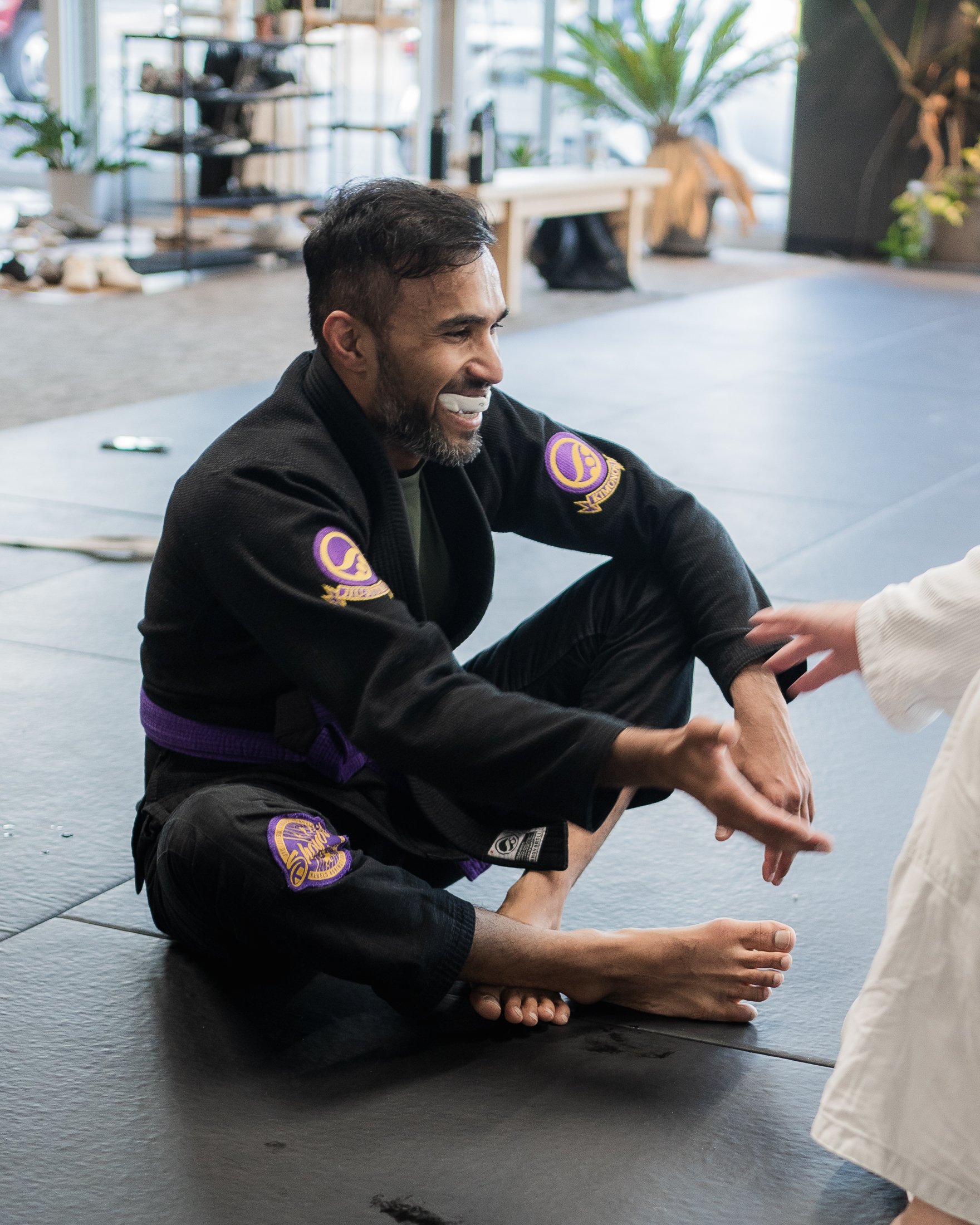
We had some fantastic college students who joined us for the summer. We wish Emma Iberg, Joseph Freitag, and Sam Dameier a successful Fall semester and look forward to seeing them back soon!
What’s Coming Next?
December 5th (Morning)
Winter Crucible & Promotions
December 5th (Evening)
Holiday Party
Upcoming Local Tournaments
August 22nd - Nebraska Jiu-jitsu Championship Summer Open
Lincoln, NE
November - Nebraska Jiu-jitsu Championship Fall Open
Lincoln, NE
AUGUST Birthdays
Wishing all of our Collective Members a very happy birthday!
Mike Brown — 8/1
Mike Pflueger— 8/8
Dominic Leuck — 8/11
Rob Weatherford — 8/11
Abi Martinez — 8/14
Andrew Peterson — 8/15
Allan Mora — 8/17
Alex Parker— 8/17
Royce Terveer — 8/19
John Kennett — 8/23
Jason Bartholomew — 8/24
Adelynn Locklear — 8/26
Joshua Jacobs — 8/27
Annika Young — 8/28
Danielle Locklear — 8/28
TJ Bolamperti — 8/30
Paul Magnuson — 8/31
*Don’t see your birthday? Update your profile on the app or speak with someone at the front desk!
“I can't say enough good things about my experience.”
“Dropped in for Takedowns and Submissions and stayed for Foundations. The facility is incredible, the vibes are great and Professor Ryan showed some great details I’d never seen on back control and attacks. This school is well run and it’s clear his curriculum is well thought out. I’d easily recommend this school to anyone training in Omaha and definitely treat it as my home gym when I’m in town.”
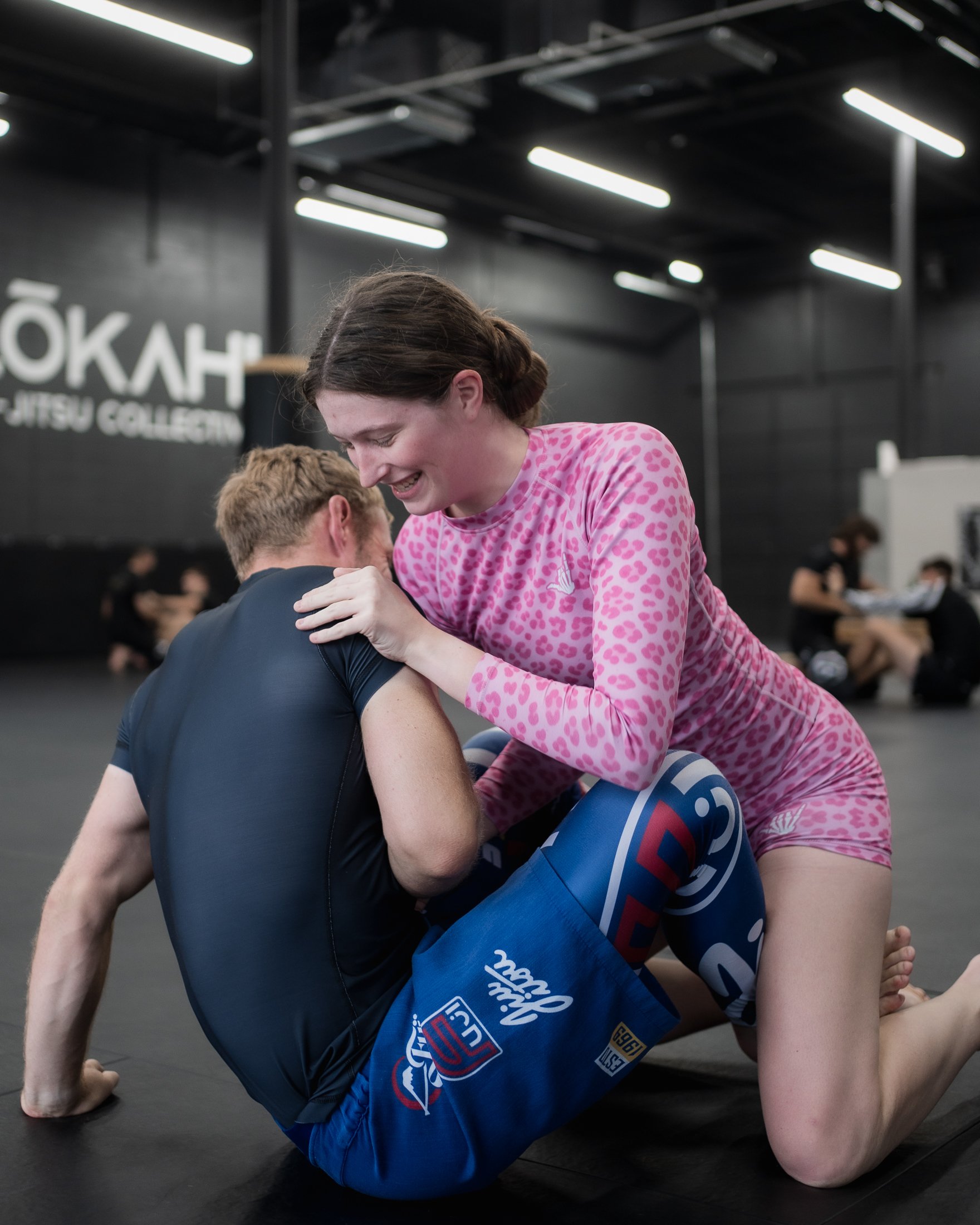
Good vibes. Quality Jiu-jitsu.
Done Scrolling? Start Rolling!